
Insulation & Air Sealing · Attic Insulation
Keep More Comfort Under Your Roof.
Your attic plays an important role in your home’s thermal performance. Proper attic insulation helps reduce heat transfer between your living space and the outdoors, supporting comfort all year.
Materials
Materials we use.
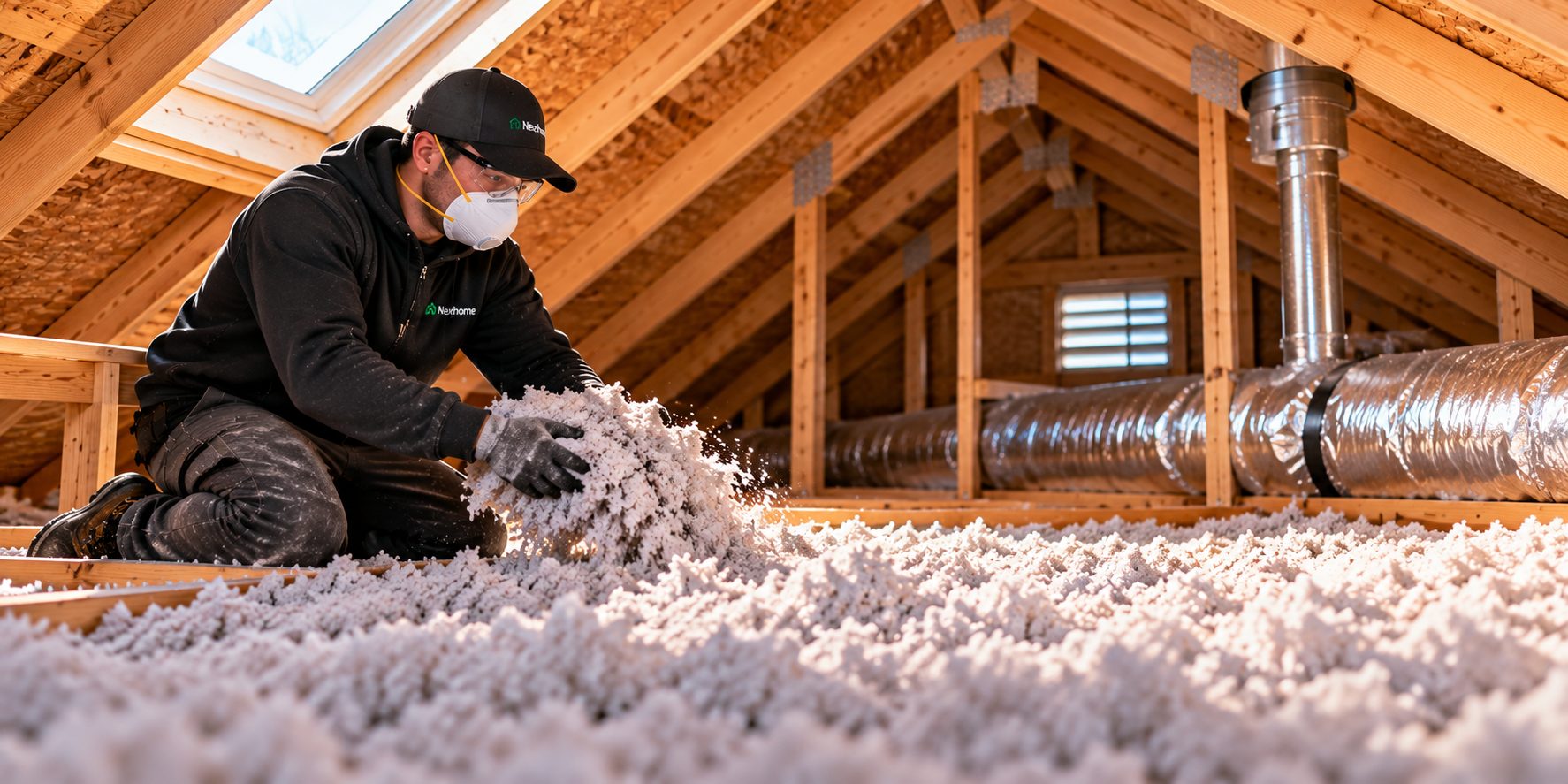
Blown-in insulation is a method of installation, not a separate service. Loose-fill cellulose or fiberglass is blown across the attic floor to fill evenly around framing.
Blown-in cellulose
Made largely from recycled paper fibre treated for fire resistance. Dense, and fills well around framing and wiring.
Blown-in fiberglass
Loose-fill glass fibre. Lighter than cellulose, so it needs more depth for similar resistance.
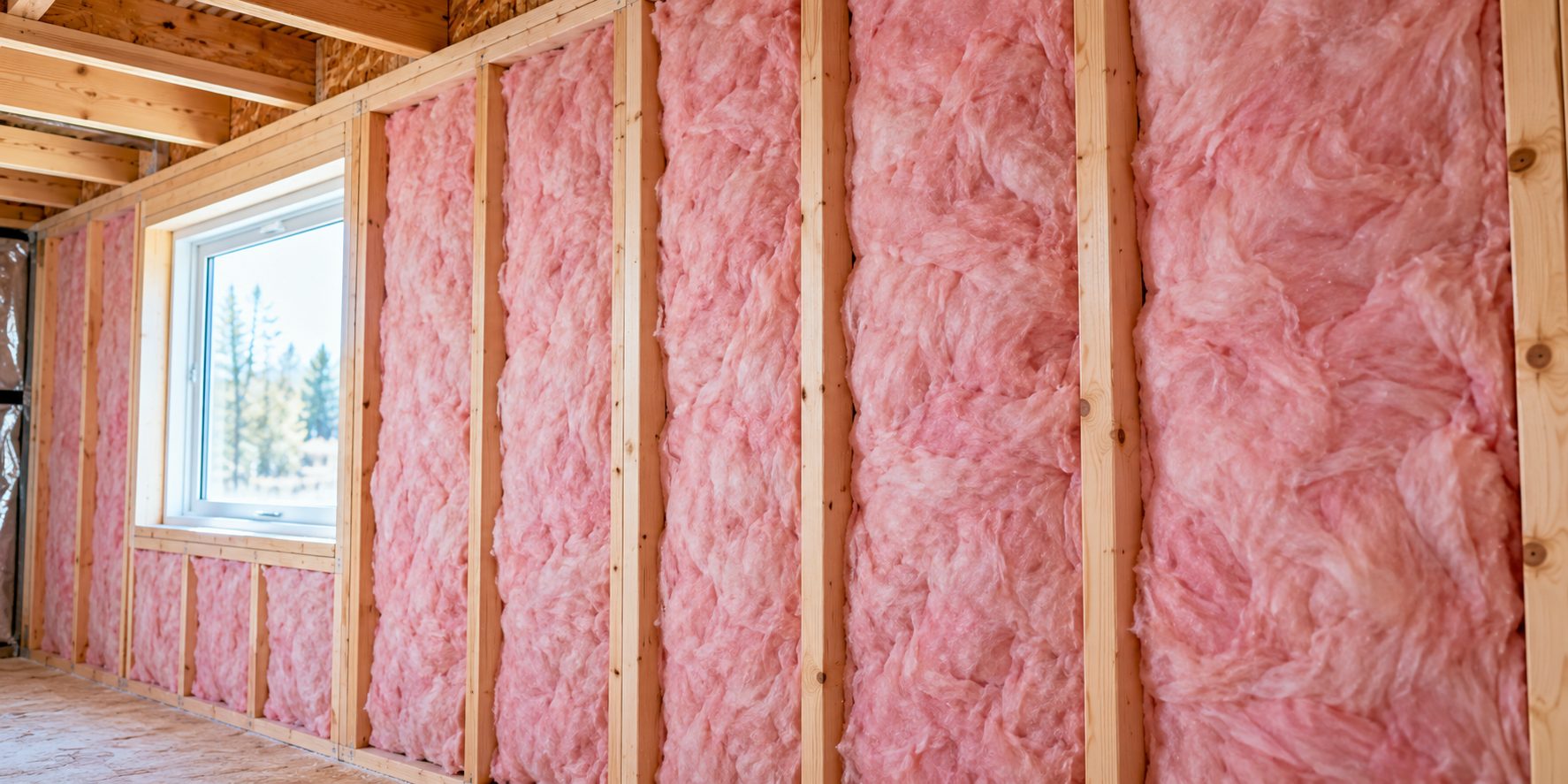
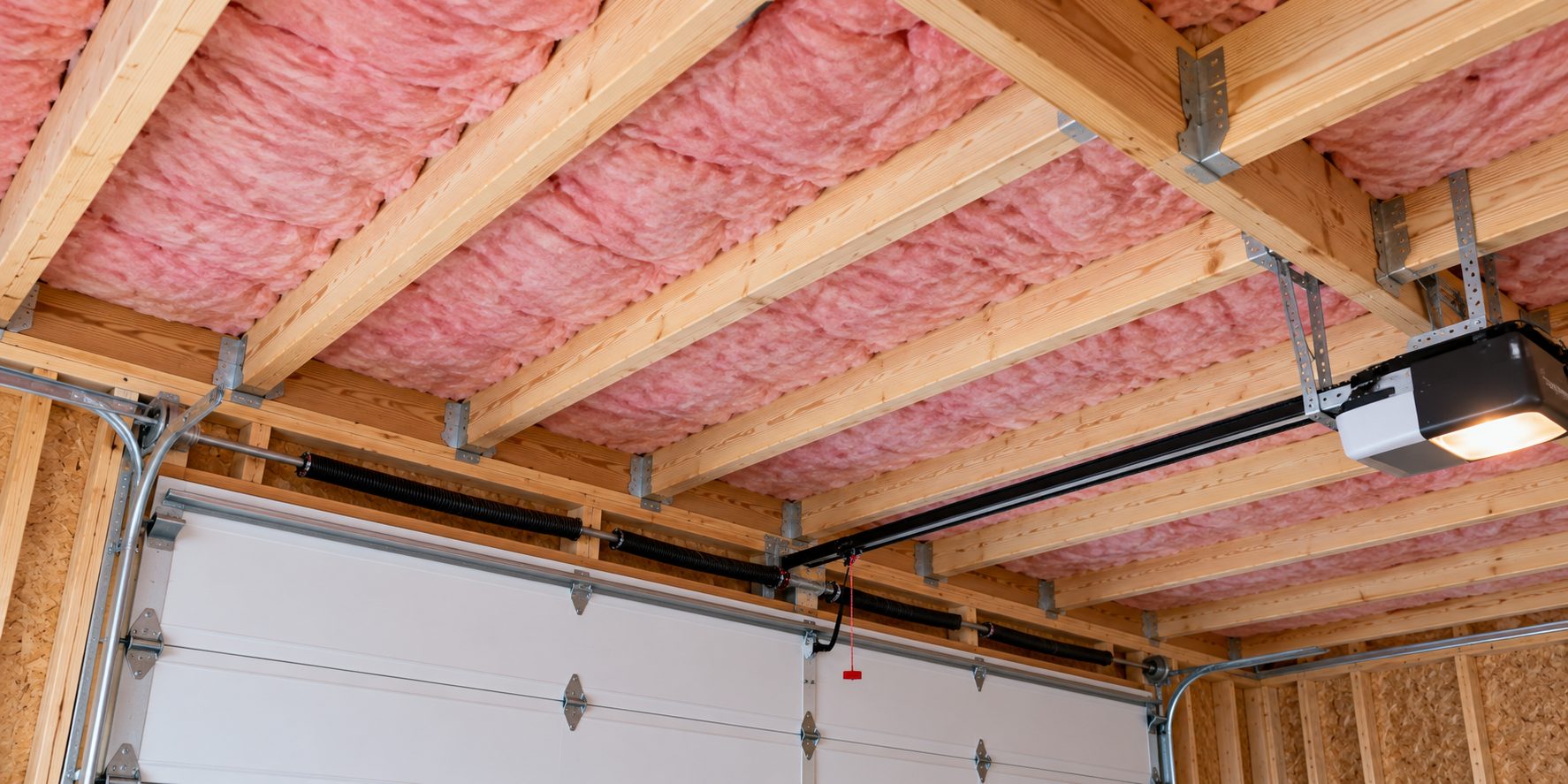
Fiberglass batts
Pre-cut pieces for open attics with regular joist spacing, fitted carefully without gaps.
Mineral wool batts
Denser batts with good fire and moisture resistance.
Other suitable systems
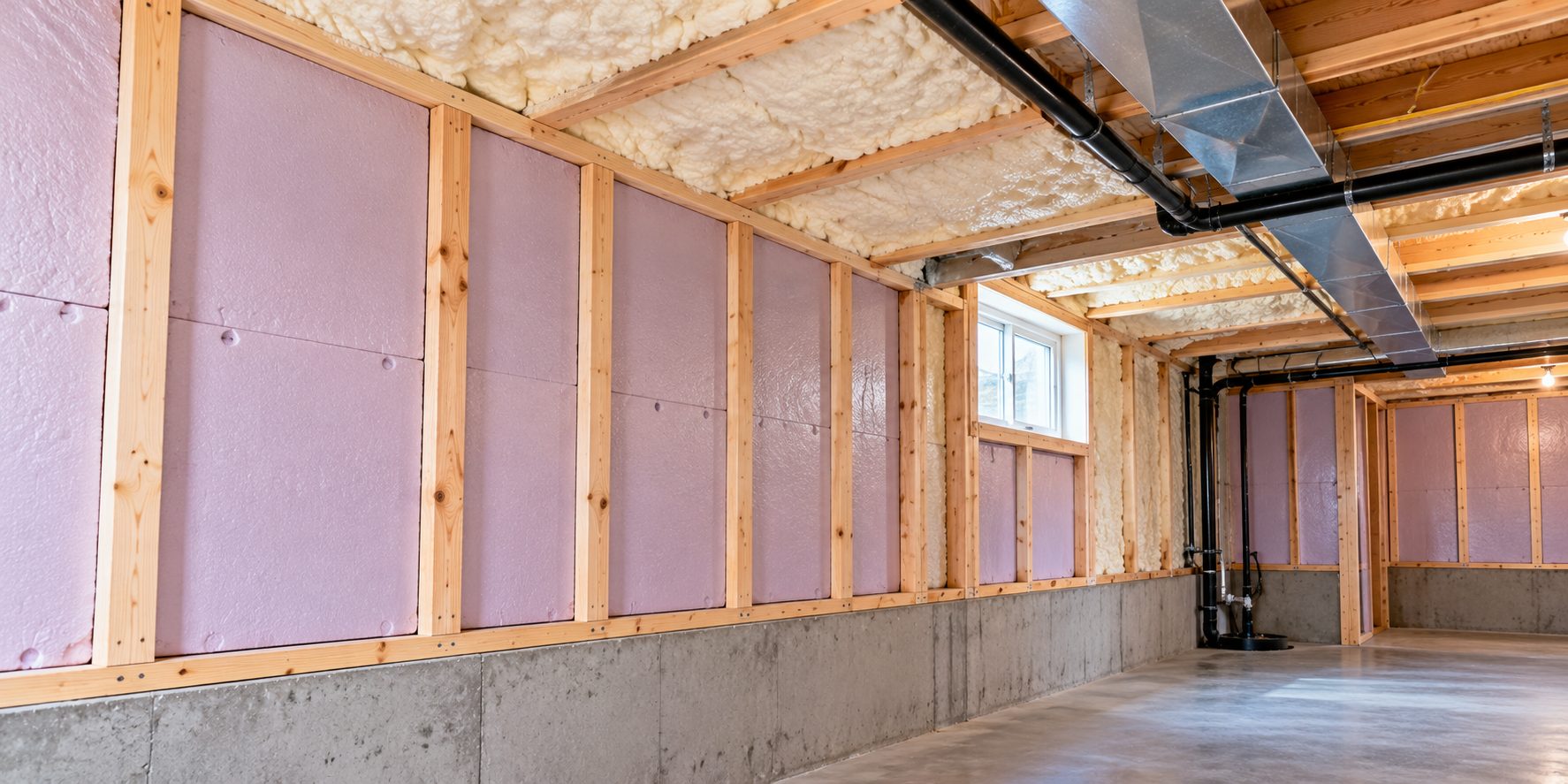
Rigid or spray foam for specific areas, such as attic hatches or some sloped ceilings.
What we consider
Done right for your home.
Existing insulation
How deep it is and what condition it’s in decides how much to add.
Air sealing first
Leaks in the attic floor are sealed before new insulation covers them.
Attic ventilation
Baffles keep soffit vents clear so the attic can breathe.
Moisture and condensation
Signs of moisture are found and dealt with first.
Electrical and heating clearances
Required clearances around fixtures, chimneys and flues are maintained.
Older materials and wiring
Old vermiculite is tested for asbestos before it is disturbed, and knob-and-tube wiring is addressed first.
Less heat escaping in winter · Less heat gain in summer · A more comfortable upper floor
How we work
From drafty rooms to better comfort.
Tell us about your home
Your comfort concerns: drafts, cold rooms or high bills.
Review the conditions
Existing insulation, likely leakage points and moisture.
Recommend the right approach
Appropriate materials and the scope of work.
Complete the work
Qualified installation, coordinated by us, with follow-up.
More insulation & air sealing
Explore other insulation & air sealing solutions
Questions
Frequently asked questions
What type of insulation is best for my attic?
It depends on your attic. Blown-in cellulose and fiberglass are common for open attic floors, and batts suit some layouts. Sealing air leaks first matters as much as the material.
Is blown-in insulation the same as attic insulation?
No. Blown-in is a way of installing loose-fill insulation. It is common in attics, but it is the method, not the service.
How do I know whether my attic needs more insulation?
If the insulation sits level with or below the ceiling joists, or you see ice dams or cold upstairs rooms, it may need more. An assessment confirms it.
Can new insulation go over the old?
Often, if the existing insulation is dry and in good condition. Old vermiculite should be tested for asbestos first and not disturbed.
A more comfortable home starts here.
Tell us what you’re noticing at home, and we’ll help you explore the right solution.