ProductsHeating & CoolingWater HeatingWater TreatmentIndoor Air QualityHome Energy & ElectricalInsulation & Air Sealing
RebatesFinancingService & SupportWhy NexhomeAbout Us1-888-770-7179Get My Options

Insulation & Air Sealing

A More Comfortable Home Starts With Better Insulation.

From cold rooms and drafty spaces to poorly insulated attics and basements, Nexhome helps homeowners improve comfort through professional insulation and air sealing solutions.

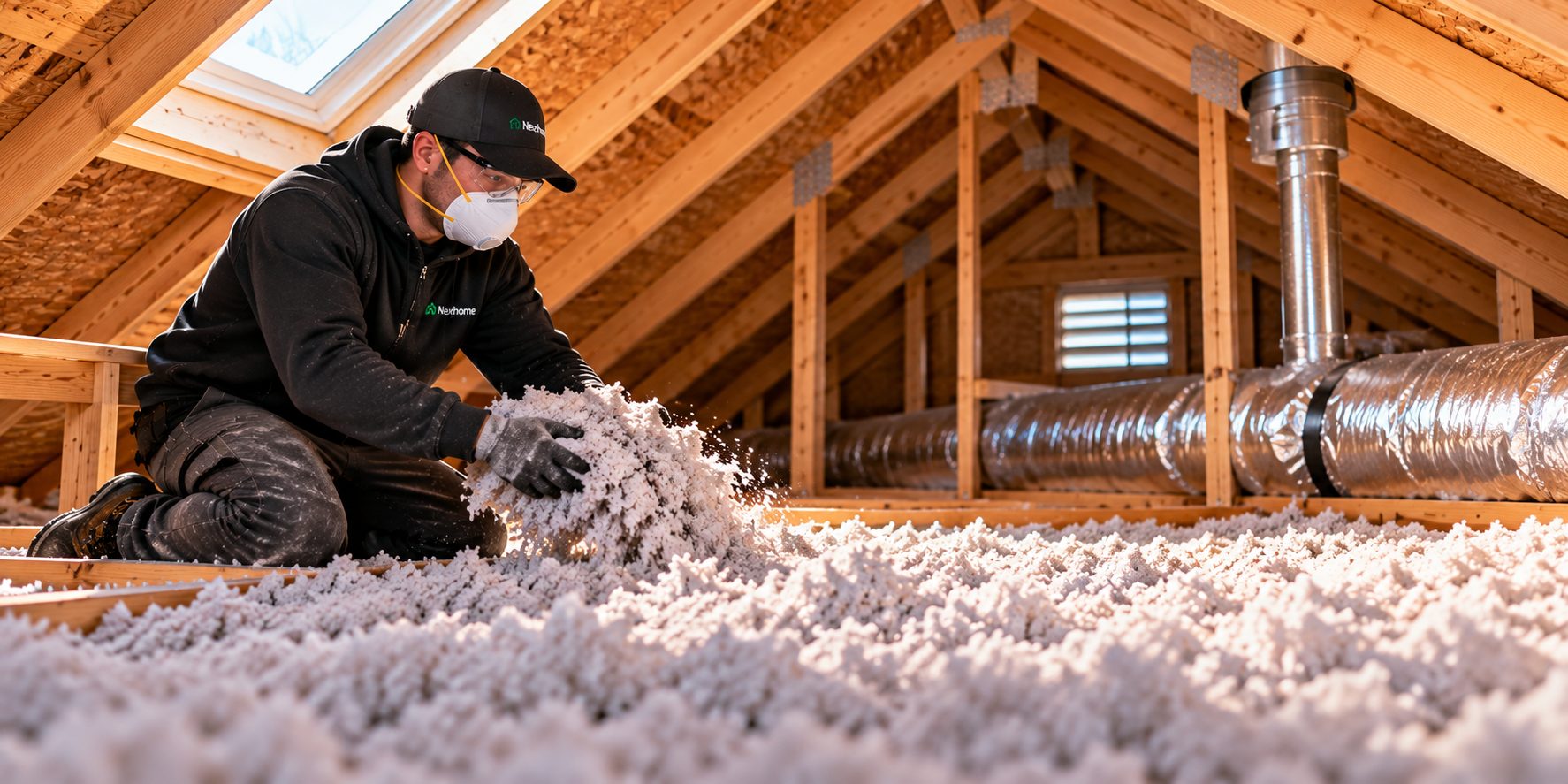
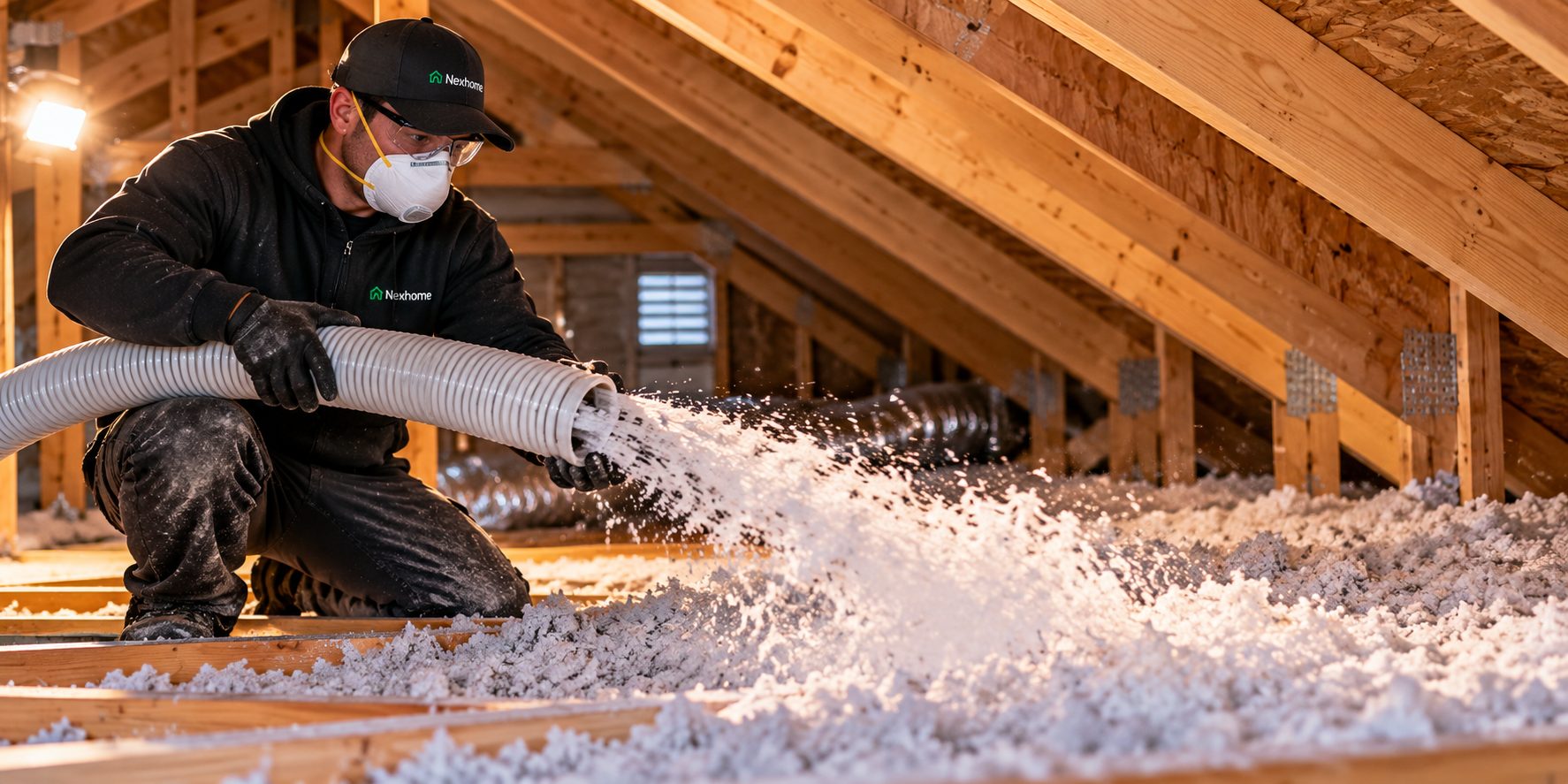
A Nexhome installer in a mask and safety glasses blowing loose-fill insulation across an attic floor

Why it matters

Keep the comfort in. Keep the elements out.

Proper insulation reduces unwanted heat transfer, while air sealing limits drafts and uncontrolled air leakage. Together, they can improve comfort and reduce unnecessary heating and cooling demand.

01

Year-round comfort

More consistent indoor temperatures.

02

Reduced heat loss

Better thermal resistance through walls, ceilings and floors.

03

Fewer drafts

Addresses unwanted airflow through gaps.

04

Better energy performance

Reduces unnecessary heating and cooling demand.

Solutions

The right solution for every part of your home.

Six ways we help, organized by the part of the home and the problem you want to fix.

An installer in a mask and safety glasses spreading loose-fill insulation across an attic floor

Attic Insulation

Keep More Comfort Under Your Roof.

Your attic plays an important role in your home’s thermal performance. Proper attic insulation helps reduce heat transfer between your living space and the outdoors, supporting comfort all year.

Explore Attic Insulation
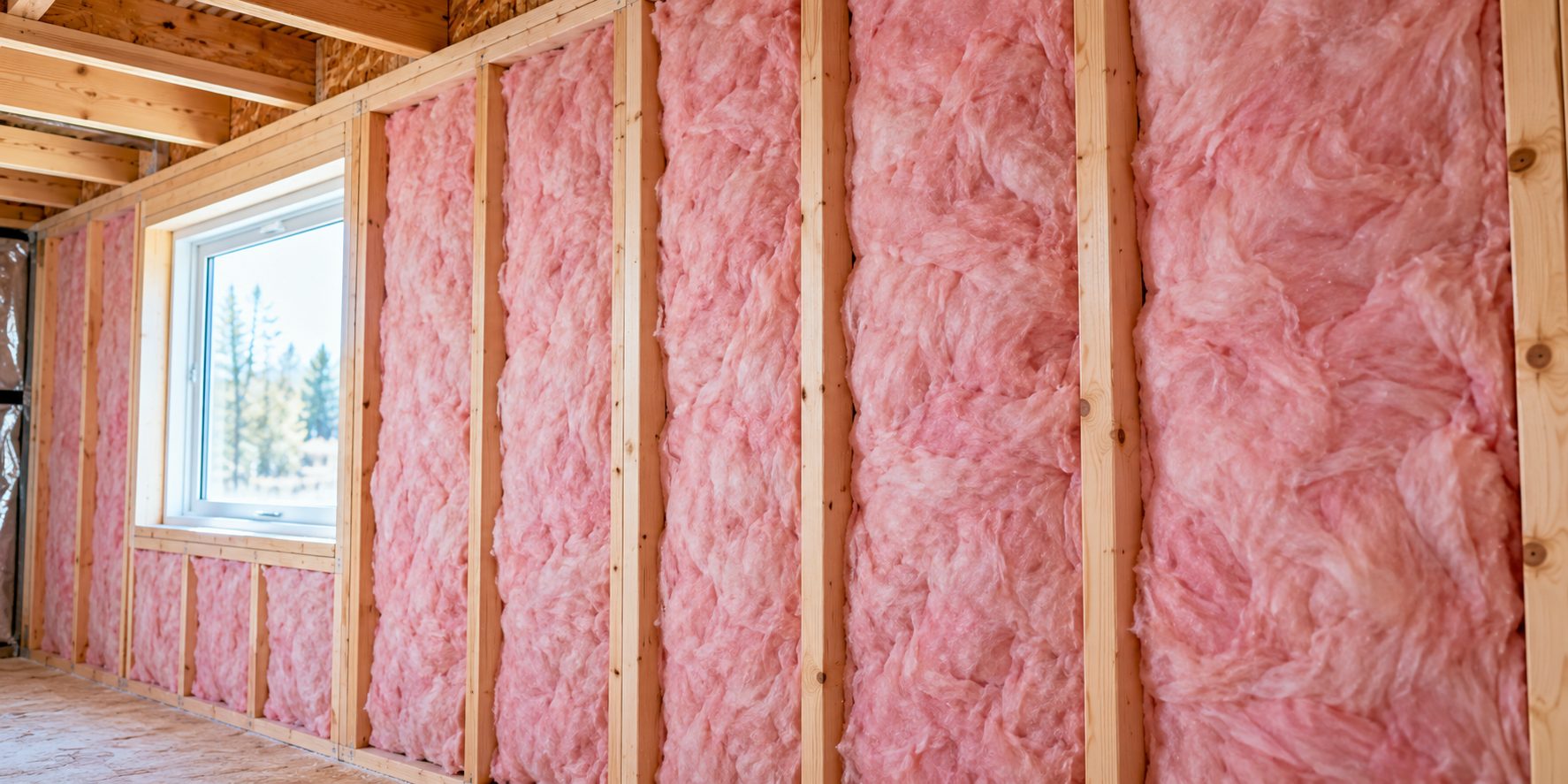
Pink fiberglass batts fitted between the studs of an exterior wall

Wall Insulation

Improve Comfort Behind Every Wall.

Wall insulation reduces heat transfer through exterior walls. The right solution depends on how the home is built, what insulation is already there, and whether you are renovating.

Explore Wall Insulation
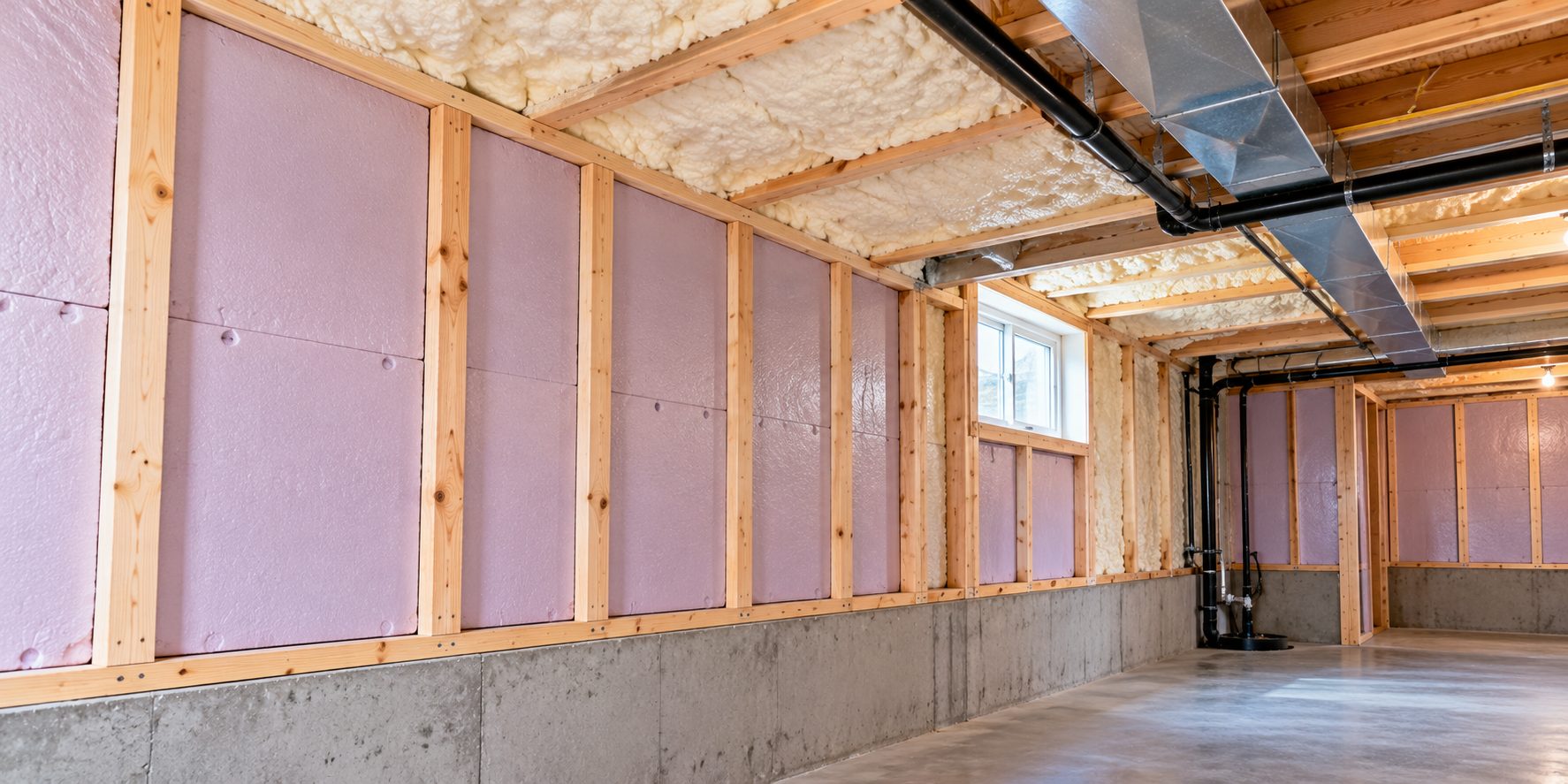
A basement with rigid foam on the foundation walls and spray foam at the rim joists

Basement & Crawl Space

Comfort Starts Below Your Feet.

Basements and crawl spaces can contribute to heat loss, cold floors and uncomfortable indoor conditions. Insulation and air sealing improve them, once any moisture issues are addressed.

Explore Basement & Crawl Space
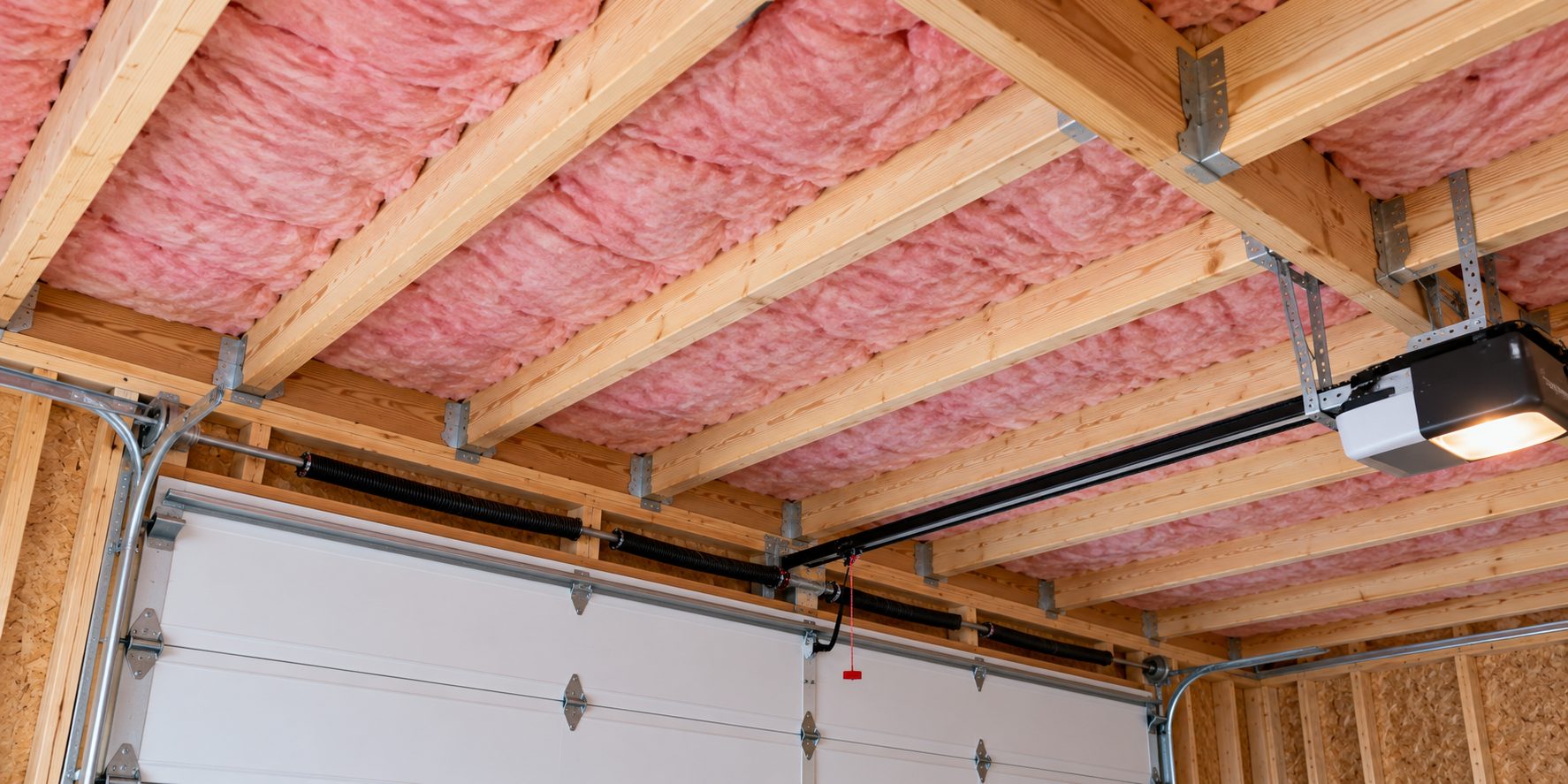
Fiberglass batts installed between the ceiling joists of a garage

Garage & Floor Insulation

More Comfortable Rooms, From the Ground Up.

Rooms above garages and floors over unheated spaces can lose heat and feel cold underfoot. Proper insulation and air sealing improve their comfort.

Explore Garage & Floor Insulation
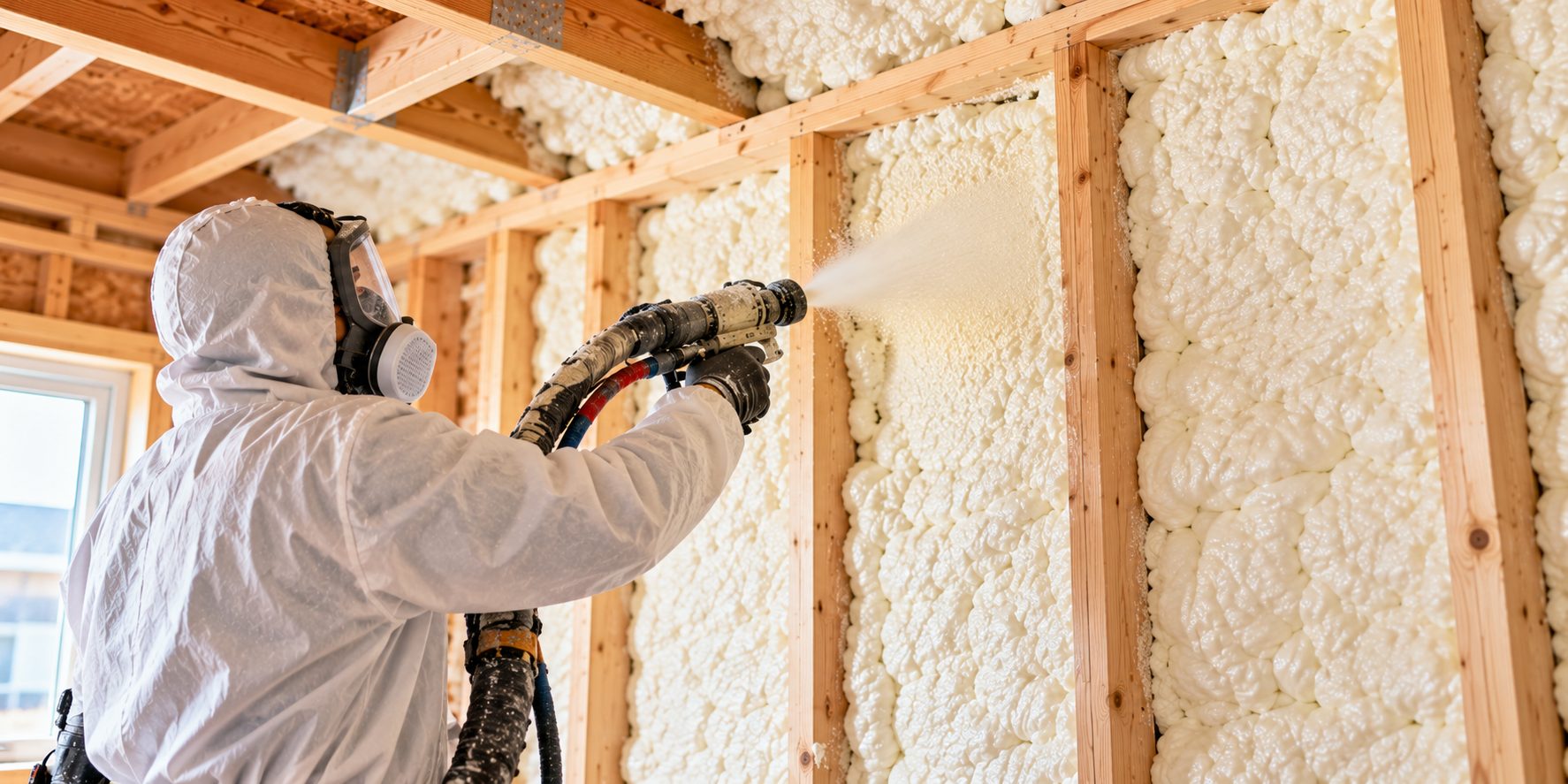
An installer in a protective suit and respirator applying spray foam to wall cavities

Spray Foam Insulation

Insulation That Fits the Space.

Spray foam expands during installation to fill suitable cavities and reduce air leakage. Different formulations serve different applications.

Explore Spray Foam Insulation
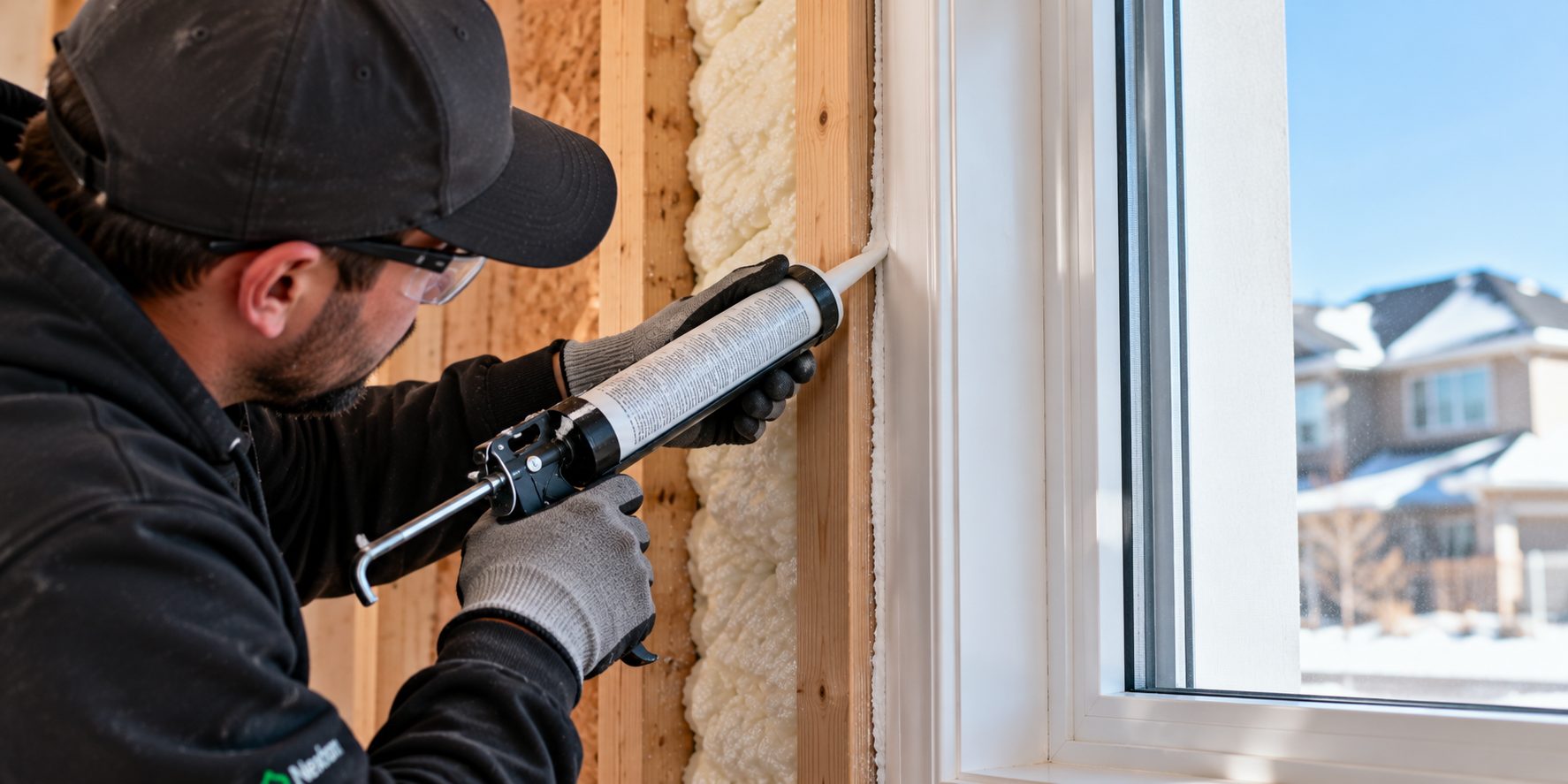
An installer in safety glasses and gloves sealing around a window frame with a caulking gun

Air Sealing & Draft Reduction

Seal the Gaps. Feel the Difference.

Even well-insulated homes lose conditioned air through gaps and penetrations. Air sealing addresses that unwanted airflow and complements insulation improvements.

Explore Air Sealing & Draft Reduction

Your home

Where is your home losing comfort?

Tap an area to see the solution for it.

Room aboveGarage

Attic

Often the first place to add insulation, after sealing leaks in the attic floor.

Tap an area to open its page. Every home is different; an assessment shows where yours loses the most.

Compare

Two different jobs. One better-performing home.

Insulation resists heat transfer through building assemblies. Air sealing reduces uncontrolled airflow through gaps. Together, with suitable ventilation and moisture management, they improve comfort and the building envelope.

Heat flows through a wall. Insulation slows it, so less heat passes through.InsideOutside
Insulation slows heat moving through walls, ceilings and floors.
Air leaks through gaps in a wall. Air sealing closes the gaps so air stops moving through.InsideOutsideSealedGap
Air sealing stops air moving through gaps and openings.

R-value

What does R-value mean?

What it measures

Resistance to heat flow. A higher R-value generally means greater thermal resistance.

Installation quality

Gaps, compression and poor coverage reduce real-world performance.

Air leakage and bridging

Air leaks and heat moving through framing can undercut insulation.

Moisture

Wet insulation performs poorly, so moisture control is part of every job. Required levels vary by province.

Insulation and heat pumps

A better home envelope supports better heating and cooling.

Insulation and air sealing can reduce your home’s heating and cooling load. That makes them a natural companion to a new heat pump, before or alongside the installation.

Equipment is sized to your home’s actual needs, so envelope upgrades are factored into the load calculation rather than guaranteeing a smaller system or a set saving.

How we work

From drafty rooms to better comfort.

1

Tell us about your home

Your comfort concerns: drafts, cold rooms or high bills.

2

Review the conditions

Existing insulation, likely leakage points and moisture.

3

Recommend the right approach

Appropriate materials and the scope of work.

4

Complete the work

Qualified installation, coordinated by us, with follow-up.

Incentives

Explore available home efficiency incentives.

Some insulation and air-sealing projects may qualify for government or utility programs, depending on where you live and your eligibility. Many require an energy assessment before and after the work.

We only share program details once they are verified against the program itself. Ask us during your consultation what applies to your home.

Questions

Frequently asked questions

What type of insulation is best for my attic?

It depends on your attic. Blown-in cellulose and fiberglass are common for open attic floors; batts suit some situations. Air sealing first matters as much as the material.

Is blown-in insulation the same as attic insulation?

No. Blown-in is a way of installing loose-fill insulation. It is used in attics, and dense-packed in some walls.

What is the difference between fiberglass and cellulose?

Cellulose is made largely from recycled paper treated for fire resistance and is denser; fiberglass is lighter and needs more depth for similar performance. Both work well when properly installed.

What is spray foam insulation?

Insulation sprayed as a liquid that expands to fill a space, insulating and air sealing in one step.

What is the difference between open-cell and closed-cell foam?

Open-cell is lighter and lets vapour pass; closed-cell is denser, adds rigidity and resists vapour at sufficient thickness. The assembly decides which suits.

Can insulation be added to existing walls?

Often, by filling closed cavities with dense-pack or blown-in insulation, or adding continuous insulation during re-siding. Not every wall suits the same method.

What insulation is suitable for basements?

Rigid foam, spray foam, and mineral wool or fiberglass in suitable assemblies. Moisture problems must be fixed first.

Can insulation improve rooms above garages?

Yes. Insulating and sealing the floor and shared walls helps, while keeping the fire separation intact.

What is air sealing?

Closing gaps where air leaks in and out of the home, such as around hatches, wiring, pipes, windows and rim joists.

Should air sealing be completed before attic insulation?

Yes, usually. The leaks are much harder to reach once new insulation covers them.

What does R-value mean?

A measure of resistance to heat flow. Higher is more resistant, but installation quality, air leakage and moisture also affect real performance.

Can insulation reduce heating and cooling costs?

It can reduce how much heating and cooling your home needs. Savings depend on your home and energy prices, so we don’t promise a figure.

How do I know whether I need more insulation?

Cold rooms, drafts, ice dams, or attic insulation sitting level with the ceiling joists are common signs. A review of your home confirms it.

Can insulation cause moisture problems?

It can if moisture isn’t managed, for example by covering existing water problems or blocking ventilation. Proper design and air sealing prevent this.

Are insulation rebates available?

Some government and utility programs include insulation and air sealing, often with an energy assessment required. We only share program details once they are verified.

A more comfortable home starts here.

Whether you’re improving your attic, insulating a basement, addressing drafts, or planning a larger home efficiency upgrade, Nexhome can help you explore the right solution.

Get a Free Consultation

Already a customer with a service issue? Request service online, call 1‑888‑770‑7179 or email service@nexhome.ca.

Get my free consultation

Tell us what you are looking at and we will come back with real numbers — what it costs, what you qualify for, and what we would recommend.

No obligation. We will call once — if it is not for you, tell us and that is the end of it.