
Your shower
Hard water can leave mineral deposits on shower doors, tiles and fixtures.
Water Treatment
From the water you shower in to the water you drink, the right treatment system can make a meaningful difference in everyday life. Discover solutions designed around your home’s water and your family’s needs.

Everyday life
From your morning shower and freshly washed laundry to cooking dinner and filling a glass of water, water is part of your daily routine. Understanding what’s in your water is the first step toward choosing the right solution.
Hard water can leave mineral deposits on shower doors, tiles and fixtures.
Water hardness can affect how detergents perform and how fabrics feel after washing.
Chlorine-related taste and odour can affect how your drinking water tastes.
Hard-water scale can build up inside compatible water-using equipment, such as kettles and water heaters.
Solutions
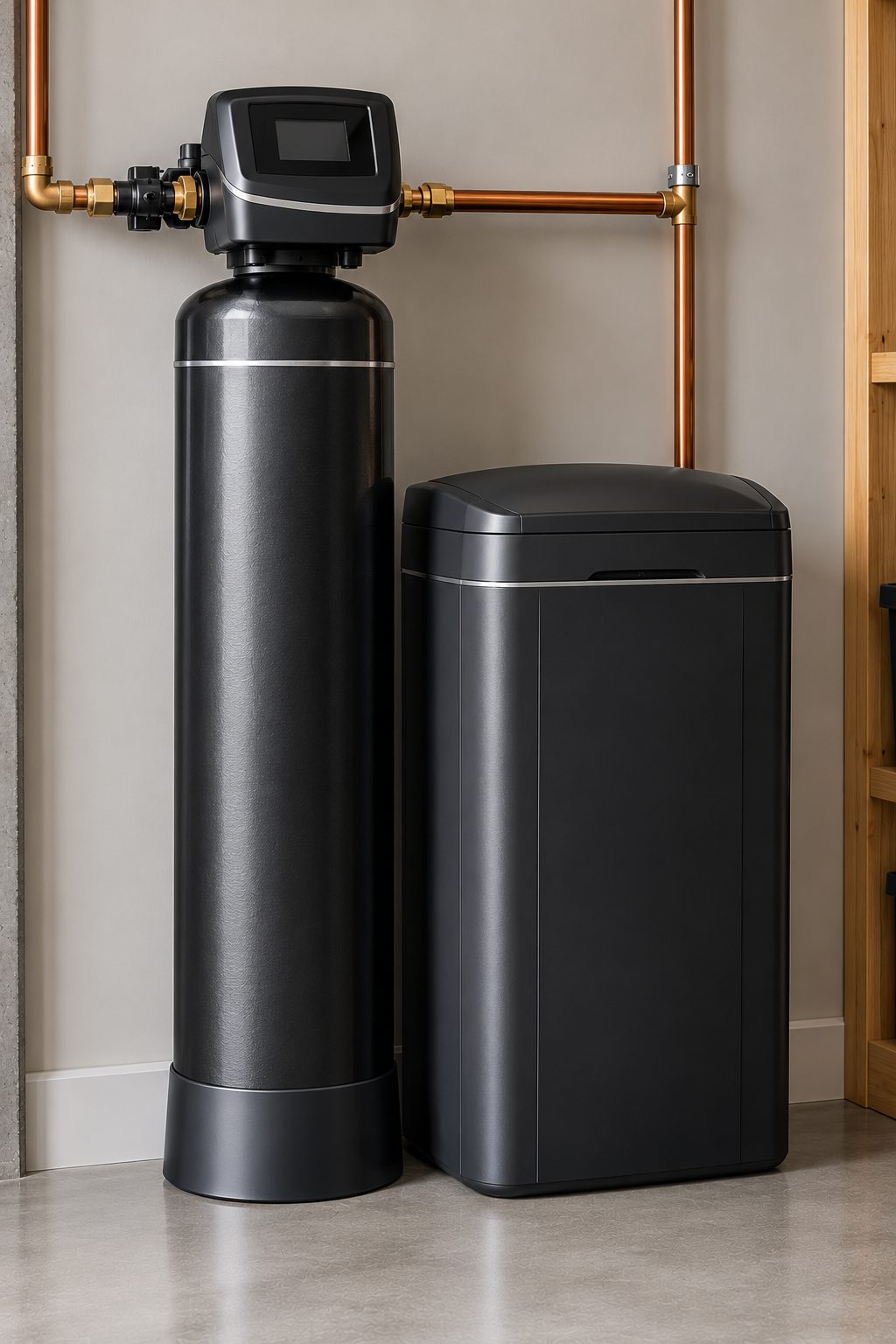
Water Softeners
Water softeners help reduce the hardness minerals responsible for scale buildup, making it easier to maintain fixtures and helping improve the performance of soaps and detergents.
Explore Water Softeners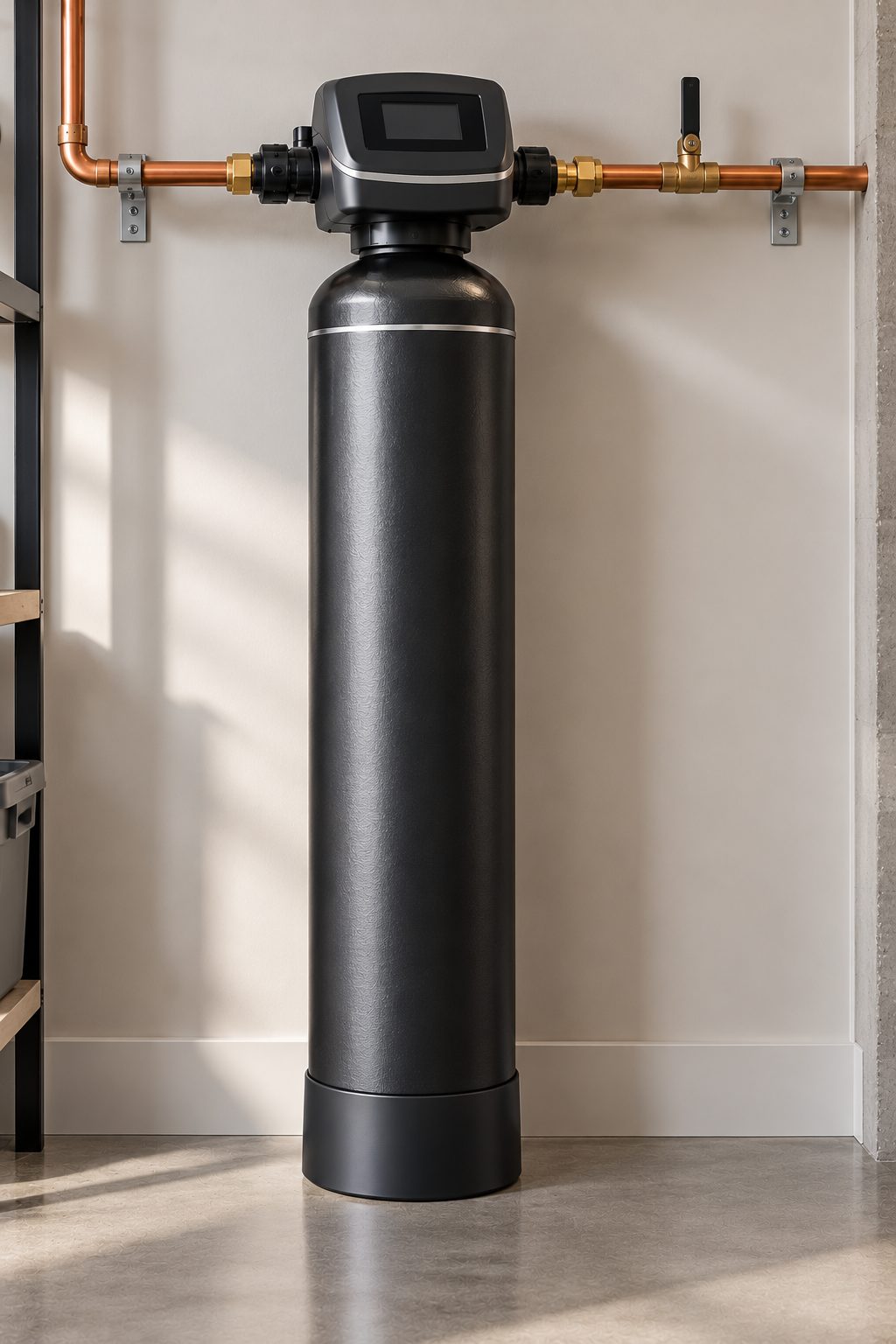
Whole-Home Carbon Filtration
Whole-home carbon filtration can help reduce chlorine-related taste and odour and certain other substances, depending on the system’s tested capabilities.
Explore Carbon Filtration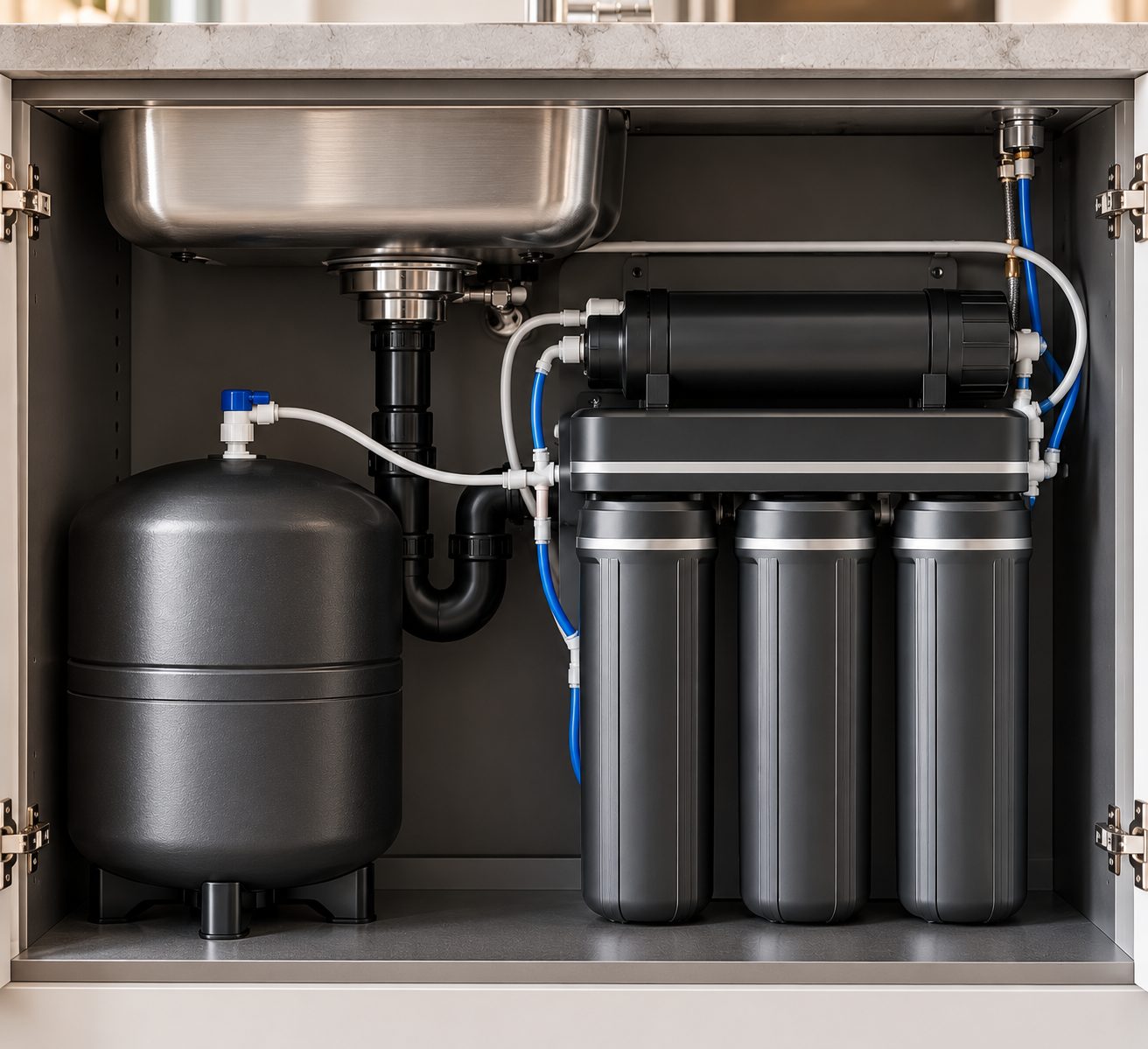
Reverse Osmosis
Reverse osmosis systems use membrane filtration to reduce a range of dissolved substances, with performance depending on the system’s certifications and configuration.
Explore Reverse OsmosisUnderstanding your water
Hard water is not the same as unsafe water. Municipal drinking water is treated and monitored to meet drinking water standards. The right system depends on your home’s water and what you want to improve.
Dissolved calcium and magnesium, measured in grains per gallon or mg/L. It causes scale and affects soap, but Health Canada has not set a health-based limit for it. It is a comfort and maintenance issue.
Municipalities add chlorine or chloramine to keep water safe on its way to your tap. Some people notice the taste or smell.
Sand, silt or rust particles, more common with private wells or older pipes. They can cloud water and wear fixtures.
Total dissolved solids (TDS) is everything dissolved in the water. Higher levels can affect taste.
Substances such as lead, arsenic or nitrate are identified by testing, and treated with systems certified for them.
Municipal water is treated and monitored to meet drinking water standards. Private well owners are responsible for testing their own water regularly.
Choosing
A starting point only. The right choice depends on testing and on each system’s specifications. No single system removes everything.
| If you notice | Solution to explore |
|---|---|
| Hard-water scale on faucets | Water softener |
| Mineral deposits on shower glass | Water softener |
| Chlorine taste or odour | Certified carbon filtration |
| Dissolved substances in drinking water | Appropriately certified reverse osmosis |
| Several water concerns | A properly designed combination of systems |
Working together
Some homes combine a water softener for hardness, a whole-home carbon filter for taste and odour, and reverse osmosis for drinking and cooking water. Many homes need only one. Combining systems is optional and should follow your actual water and goals.
Tell us what you’re experiencing at home. Nexhome can help you explore suitable water treatment options and determine whether water testing or a more detailed assessment is appropriate.