
Water Treatment · Reverse osmosis
Filtered Drinking Water. Right at Your Tap.
Enjoy the convenience of a dedicated drinking-water system that uses advanced membrane filtration to reduce a range of dissolved substances, depending on the system’s certified performance.
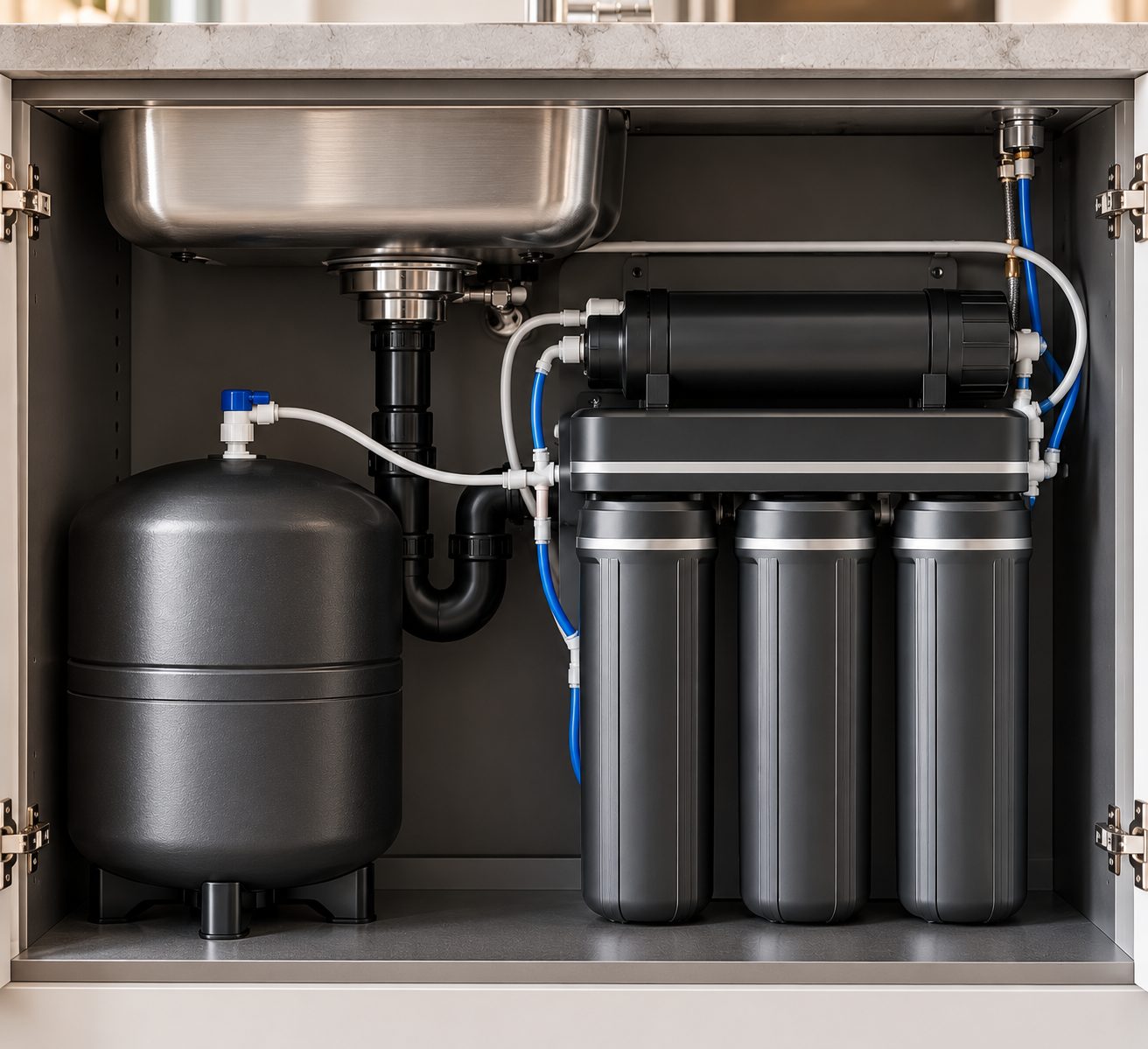
What it is
Advanced filtration for drinking and cooking water.
Reverse osmosis uses pressure to move water through a semipermeable membrane. The membrane reduces many dissolved substances, while a separate reject-water stream carries them to the drain.
Home systems combine the membrane with other filtration stages. What a particular system reduces depends on its design and certifications. No RO system removes everything.
Everyday benefits
A convenient way to enjoy filtered water at home.
Filtered drinking water
Treated water from a dedicated faucet or a compatible dispensing system.
Reduced dissolved substances
Certified systems can reduce selected dissolved substances, according to their tested capabilities.
Convenient kitchen access
Filtered water right at the kitchen sink for everyday drinking and cooking.
Beverages and food preparation
Use it for coffee, tea, soups and anything else you make in the kitchen.
Less dependence on bottled water
A convenient home system may help reduce the need for disposable bottled water.
The system
Compact, and out of sight under your sink.
A typical RO system has filter housings for the prefilters, the membrane, and a small storage tank, all fitting in the cabinet under your kitchen sink. A separate drinking-water faucet sits beside your main tap.
It treats drinking and cooking water only. The rest of your home’s water is unchanged.
How it works
How reverse osmosis works.
Stages vary by model; this is a typical arrangement.
Incoming water
Cold water is taken from under the sink.
Sediment prefilter
Captures certain suspended particles, such as sand and rust.
Carbon prefilter
Where included, reduces chlorine and other selected substances, and protects the membrane.
RO membrane
Water is pushed through the membrane, separating much of the dissolved material.
Storage or direct delivery
Treated water is held in a pressure tank, or delivered on demand in tankless designs.
Drinking-water faucet
Filtered water is ready at its own faucet at the sink.
What it can do
Understanding what RO filtration can do.
RO systems are certified to NSF/ANSI 58, which covers the system and its dissolved-solids reduction. Any reduction of a specific substance, such as lead or fluoride, has to be claimed and verified for that exact model. Not every RO system is certified for all of these.
| Substance | What a certified RO system may do | What to check |
|---|---|---|
| Total dissolved solids (TDS) | Typically reduced by RO membranes | NSF/ANSI 58 certification and the system’s performance data sheet |
| Lead | Reduced by systems certified for it | A lead reduction claim on the exact model |
| Arsenic | Reduced by systems certified for it; depends on the form of arsenic | An arsenic claim on the exact model, and a water test |
| Fluoride | Reduced by systems certified for it | A fluoride claim on the exact model |
| Chlorine | Mainly reduced by the carbon prefilter, not the membrane | Whether the model includes a carbon stage |
| Bacteria and viruses | Not a substitute for disinfection unless specifically certified | Microbiological claims; well water may need separate treatment |
Compare
Reverse osmosis or carbon filtration?
Different mechanisms for different jobs, and they often work best together.
| Compare | Reverse osmosis | Whole-home carbon |
|---|---|---|
| Taste and odour | Reduced, mainly by its carbon prefilter | Reduces chlorine-related taste and odour |
| Dissolved solids | Substantially reduced | Not reduced |
| Installed | Under the kitchen sink | Where water enters the home |
| Water produced | Drinking and cooking water at one tap | All the water in the home |
| Maintenance | Prefilters and membrane | Carbon media |
| Reject water | Yes, part of how it works | No |
| Typical use | Filtered drinking water | Better-tasting water everywhere |
Configurations
Tank-based or tankless?
Tankless does not mean unlimited water; it is limited by how quickly the system can filter.
| Compare | Tank-based RO | Tankless RO |
|---|---|---|
| Space | Needs room for the filters and a storage tank | Usually a more compact single unit |
| Water delivery | Stored water is ready to pour; flow slows as the tank empties | Made on demand; flow is limited by how fast it can filter |
| Electricity | Usually none for standard systems | Needs an outlet for its pump |
| Maintenance | Filters, membrane, and occasional tank sanitizing | Filter and membrane cartridges, often easier to change |
| Configuration | Separate filter housings, membrane and tank | Integrated unit with built-in pump and controls |
Water use
Understanding water use.
Reverse osmosis sends a stream of reject water to the drain as part of the filtration process. That is how the membrane keeps itself clear of what it separates out.
How much water is used varies a lot by model, design, water pressure and operating conditions. Some newer designs are considerably more efficient than older ones, so efficiency is worth weighing alongside certification when choosing a system.
Ownership
Maintenance and ownership.
Intervals depend on the model and your water quality.
Sediment filter replacement
Changed regularly; it protects everything after it.
Carbon filter replacement
Changed regularly to keep reducing chlorine and protect the membrane.
Membrane servicing
Lasts longer than the prefilters, depending on your water.
System sanitization
Recommended periodically, usually during filter changes.
Storage tank care
Where there is a tank, its air pressure is checked and it is sanitized during service.
Water pressure
RO needs enough incoming pressure; low-pressure homes may need a booster pump.
Optional remineralization
A final stage can add back minerals such as calcium and magnesium for taste.
More water solutions
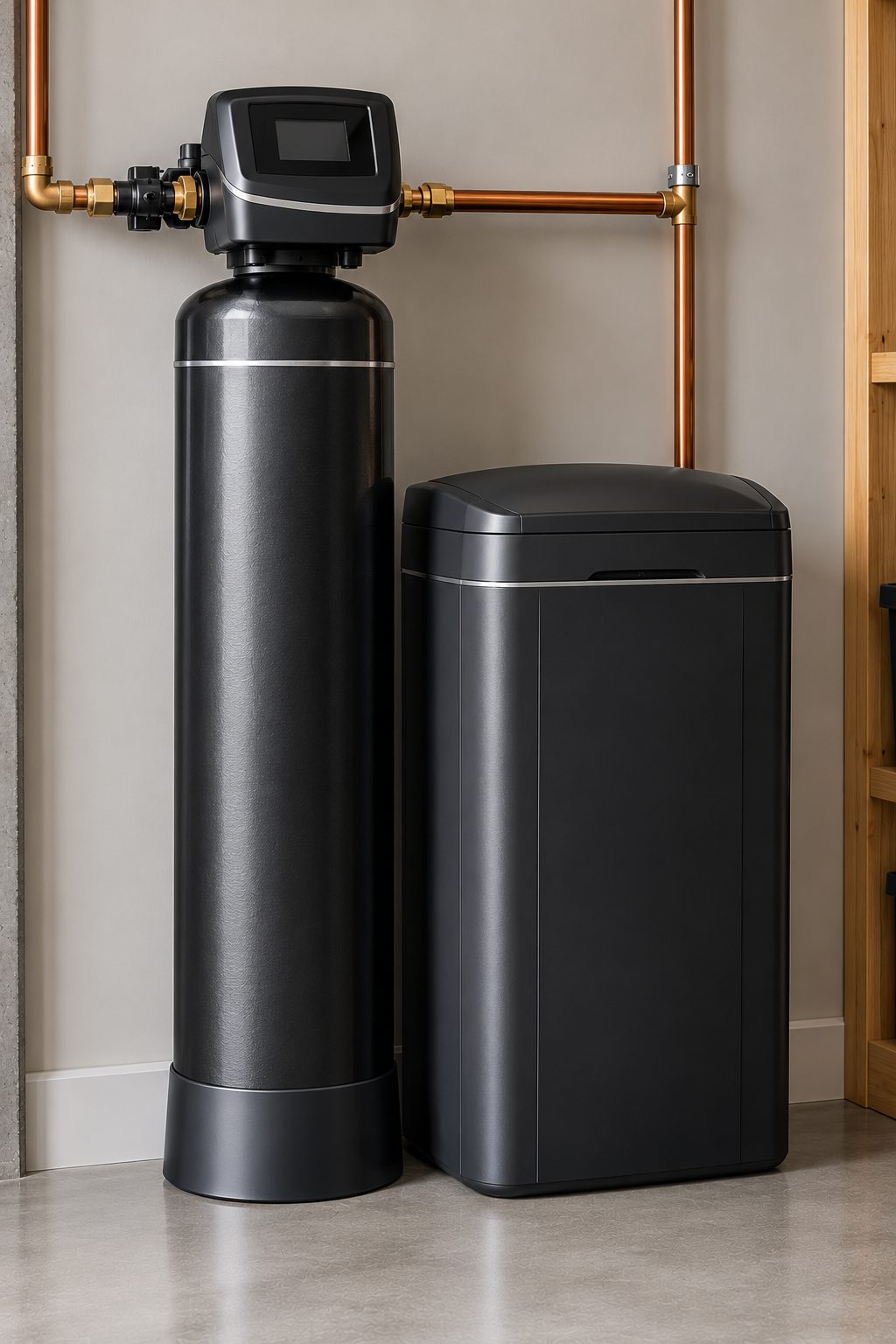
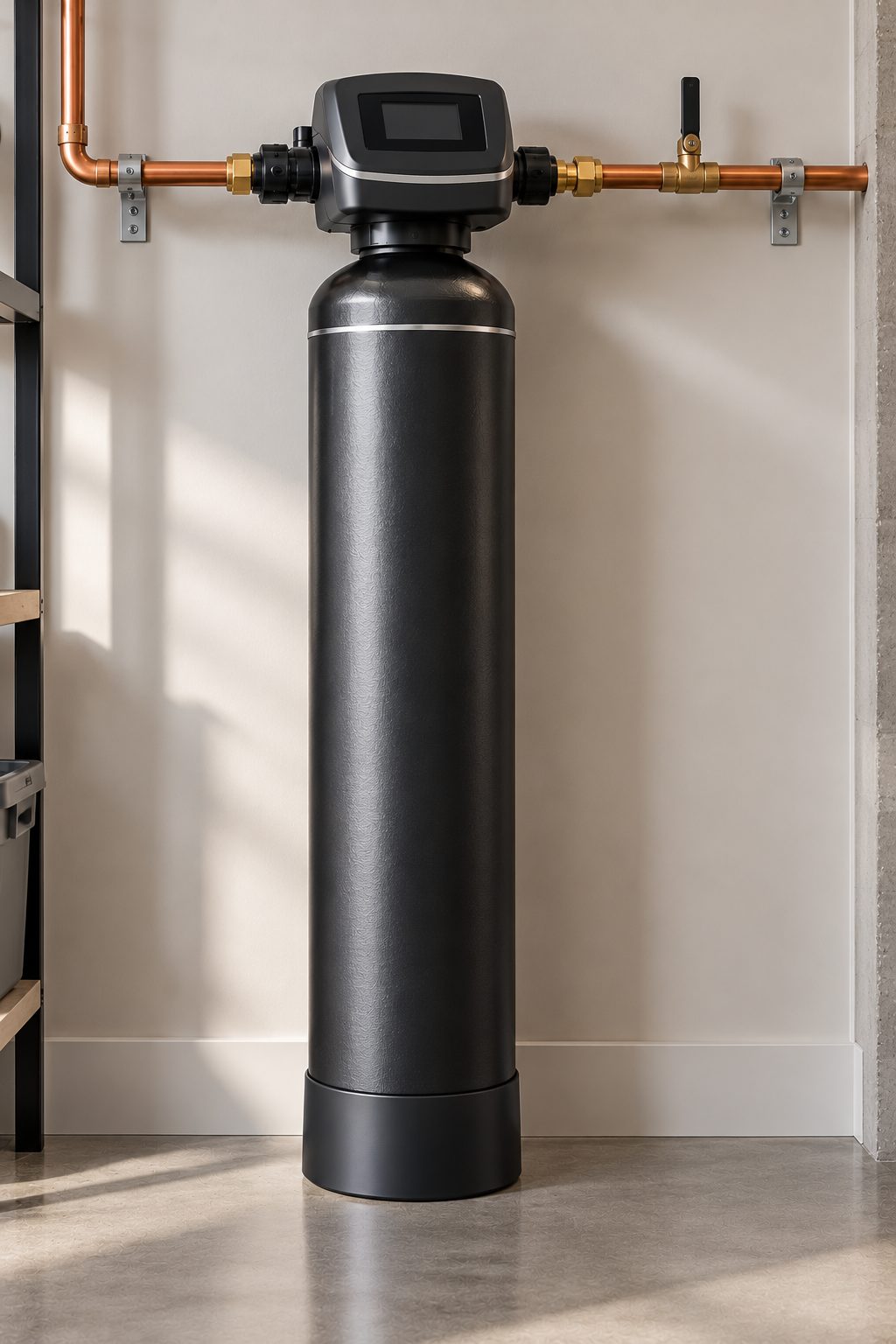
Explore other water solutions
Questions
Frequently asked questions
What is reverse osmosis?
A filtration process that uses water pressure to push water through a very fine membrane, which separates out much of the dissolved material. Home systems combine it with sediment and carbon filters.
Is RO water safe to drink?
Yes, from a properly maintained system. It is not automatically healthier than municipal tap water that meets drinking water standards; many people choose RO for taste, convenience, or specific concerns their water test shows.
Does RO remove beneficial minerals?
It reduces most dissolved minerals, including calcium and magnesium. Most of the minerals people need come from food. A remineralization stage can add some back for taste.
Can RO reduce lead?
Systems certified for lead reduction can. Check that the exact model carries a lead reduction claim.
Can RO reduce fluoride?
Systems certified for fluoride reduction can. Check the exact model’s certified claims.
Does RO remove chlorine?
The carbon prefilter in most systems reduces chlorine, and also protects the membrane, which chlorine can damage.
Is RO better than carbon filtration?
They do different things. RO filters drinking water more thoroughly at one tap; whole-home carbon improves taste and odour everywhere. Many homes use both.
Does reverse osmosis produce wastewater?
Yes. It sends a stream of reject water to the drain as part of how it works. How much varies by model, water pressure and design, so efficiency is worth comparing when choosing a system.
How often should RO filters be replaced?
Prefilters are changed more often than the membrane. The exact schedule depends on the model and your water, and we set it for your system.
Does RO require electricity?
Standard tank systems usually do not. Tankless systems and those with booster pumps need an outlet.
Can RO connect to a refrigerator?
Often, yes. Some fridges need more pressure than a tank system provides, so the setup is checked during installation.
What is remineralization?
An optional final stage that adds back small amounts of minerals, such as calcium and magnesium, mainly to adjust taste.
Enjoy filtered drinking water at home.
Explore a reverse osmosis solution designed around your home’s water conditions and drinking-water preferences.