
Home Energy · Battery storage
Power When It Matters Most.
A home battery stores electricity for when you need it. With a properly designed backup system, your essential circuits can stay on through an outage.
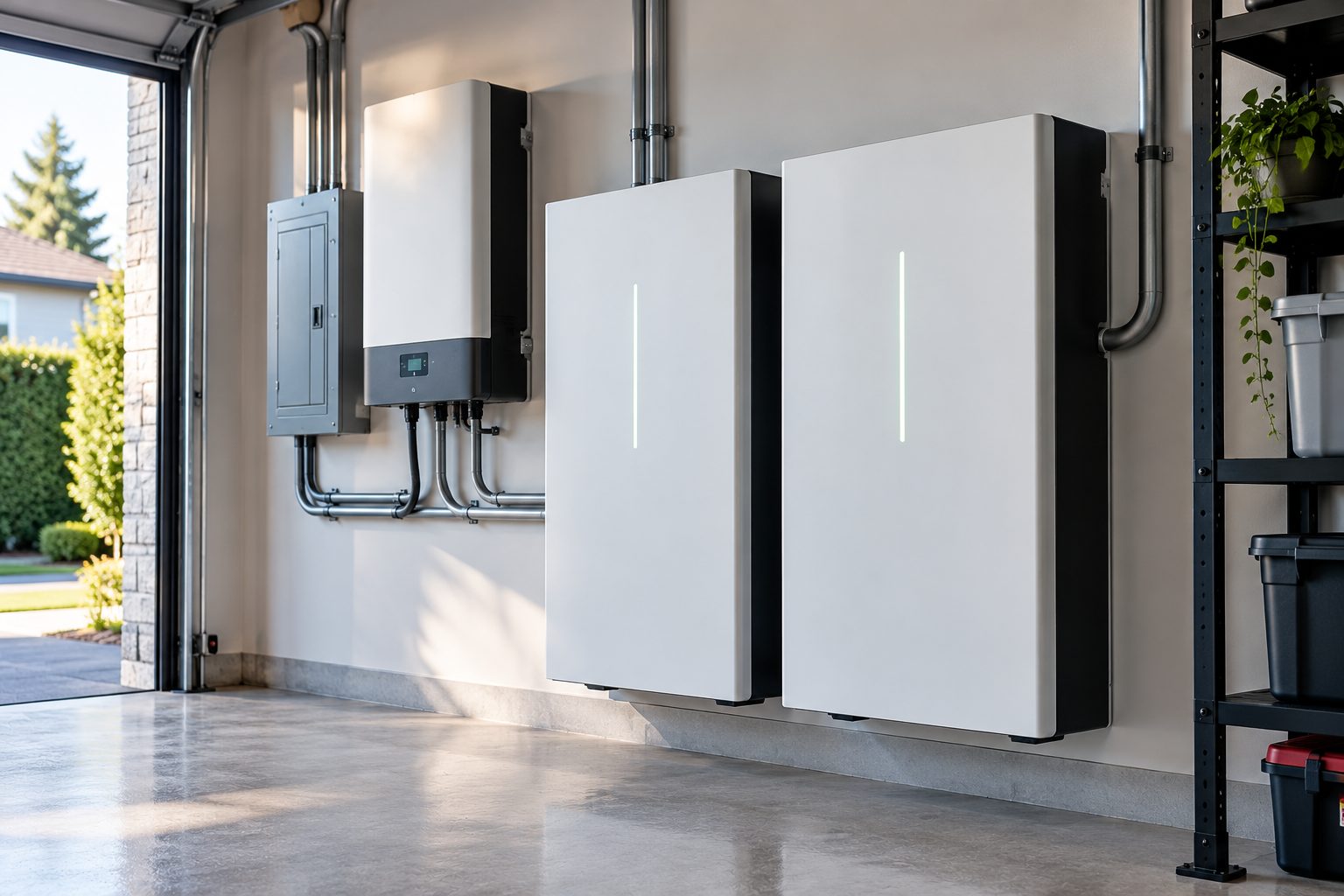
What it does
Stored power, ready for an outage.
A home battery charges from the grid or from solar panels. When the power goes out, a properly configured system disconnects from the grid and runs the circuits it was designed to back up.
Two numbers matter most: capacity, how much energy it stores in kWh, and power, how much it can supply at once in kW.
Benefits
Why homeowners add a battery.
Backup for what matters
Keeps selected essential circuits running when the grid goes down.
Automatic and quiet
Switches over on its own, with no fuel and no engine noise.
Works with solar
Can store solar energy for later, and keep solar useful in an outage when designed for it.
Room to grow
Some systems can be expanded with more storage later.
How it works
What happens in an outage.
Charges and waits
The battery charges from the grid or from solar and stays ready.
The grid goes down
The system detects the outage and disconnects from the grid automatically.
Backup circuits stay on
The battery powers the circuits it was designed to back up.
Power returns
The system reconnects to the grid and recharges.
A properly configured battery never sends power back to the grid during an outage.
Estimate
How long could a battery keep things running?
Pick what you would want on during an outage for a rough idea.
Adjust the typical loads
Typical averages, including cycling on and off. Your equipment may use more or less.
Rough estimate
- Average draw of what you picked
- 160 W
- Rough runtime on a full 13.5 kWh battery
- 3.3 days
- Peak power with the largest start-up
- 1.2 kW
Battery sizing depends on actual electrical demand, usable storage capacity, equipment compatibility, and backup system design.
How this is worked out
- Average draw of about 155 W across what you picked, using typical figures you can adjust.
- About 90% of the battery’s usable 13.5 kWh reaches your home after conversion losses.
- Real draw changes through the day and with the weather; heating loads in winter can be much higher.
- Without solar or another source to recharge it, the battery runs down and stops.
- This is a rough estimate. Actual runtime depends on your equipment, how it is used, and the system design.
Compare
Battery or standby generator?
Both provide backup power, in very different ways. Some homes use both.
| Compare | Home battery | Standby generator |
|---|---|---|
| Fuel | None; uses stored electricity | Natural gas, propane or diesel |
| Runtime | Limited by stored energy, unless recharged by solar | As long as fuel lasts |
| Noise | Near silent | Engine noise outdoors |
| Switchover | Automatic, usually seamless | Automatic with a transfer switch, after a short start-up |
| Location | Indoors or garage, within its temperature limits | Outdoors, with clearances from windows and doors |
| Maintenance | Very little | Regular servicing and test runs |
| Everyday use | Can also store solar energy and shift use to cheaper times, where rates allow | Backup only |
Choosing
What we look at.
Capacity (kWh)
How much energy it stores, which decides how long it can run your loads.
Power (kW)
How much it can supply at once, which decides what can run together, including start-up surges.
Backup scope
Selected essential circuits through a backup panel, or broader coverage with a larger system.
Location and temperature
Batteries have temperature limits, so placement is planned around them.
Solar compatibility
AC- or DC-coupled designs suit different solar setups.
Electrical connection
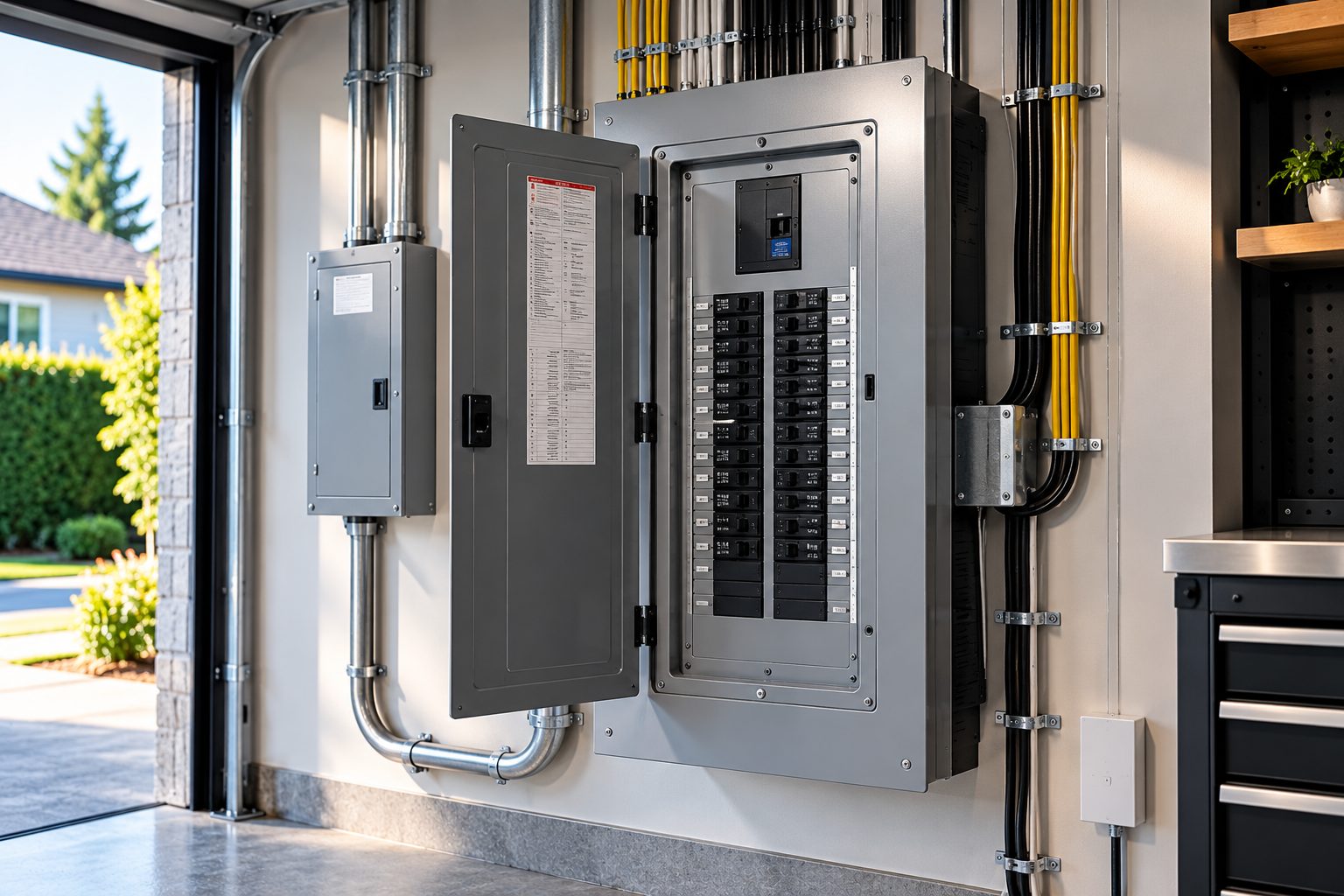
An assessment of your panel and how the battery connects to it.
Regulated electrical work is carried out by appropriately licensed professionals, with permits and inspections as required in your province.
More home energy solutions
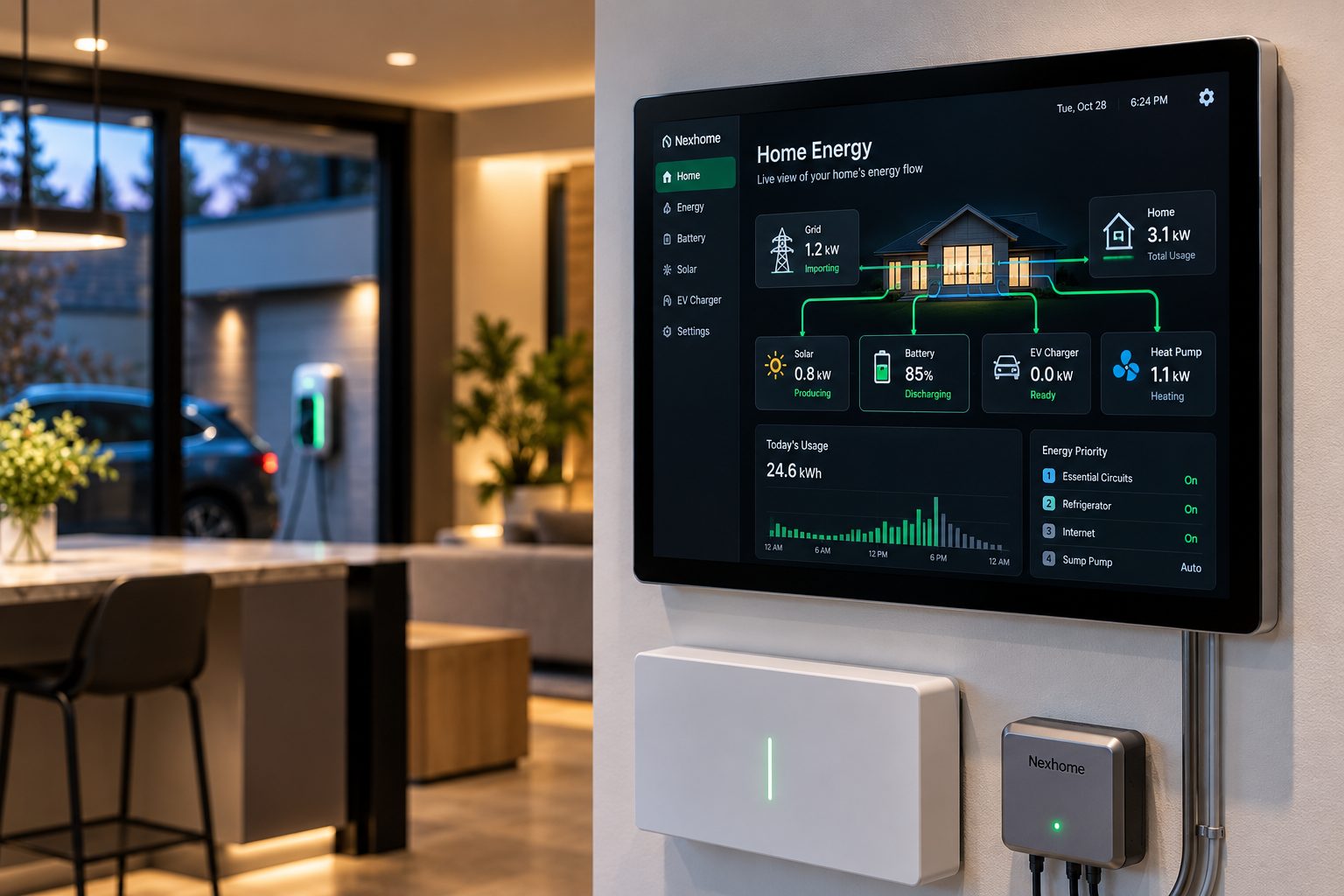
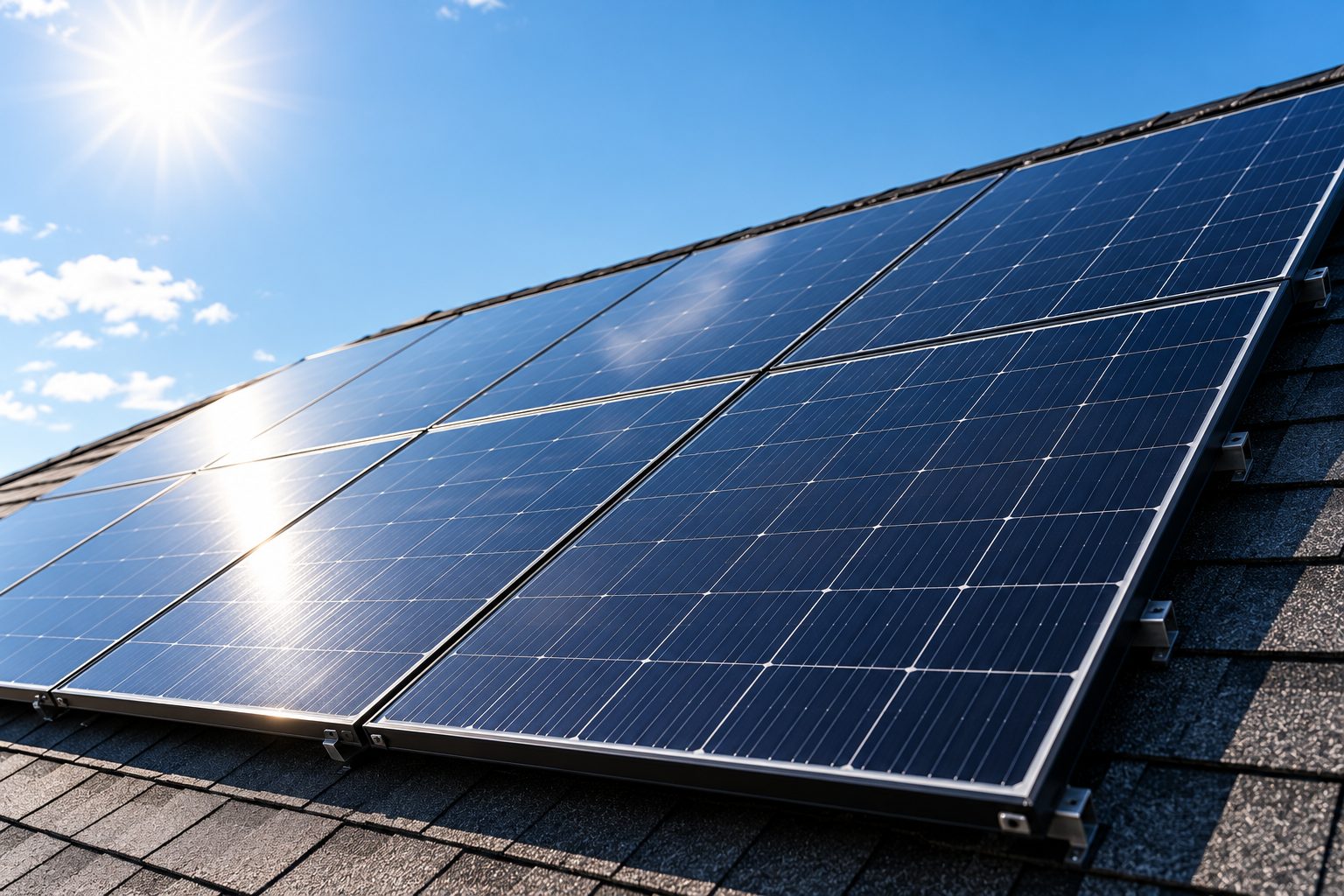
Explore other home energy solutions
Questions
Frequently asked questions
How long will a battery run my home in an outage?
It depends on how much energy it stores and what is connected. Use the estimator above for a rough idea; a proper design uses your actual loads.
Can a battery power my whole house?
Some systems can be designed for broader backup, but most homes back up selected essential circuits. Whole-home backup needs more capacity and power.
Do I need solar?
No. Many batteries can charge from the grid. Solar lets the battery recharge during a long outage and store solar energy day to day.
Will it run my heat pump or furnace?
A furnace fan and controls are usually manageable. A heat pump is a large load and needs a system designed for its power and start-up demand.
What happens when the battery runs out?
The backup circuits go off until the grid returns or the battery recharges, for example from solar.
Is it safe indoors?
Home batteries are installed to the applicable codes and the manufacturer’s requirements, including clearances and location limits.
How long do home batteries last?
Many come with warranties of around ten years, with capacity declining gradually over time. Check the specific product’s warranty terms.
Can it lower my electricity bill?
Where electricity costs more at certain times, a battery can shift some use to cheaper times. Savings depend on your rates, use and system; backup is the main reason most homes install one.
Are there rebates for home batteries?
Some jurisdictions and utilities offer incentives with specific conditions. We only share rebate information once it is verified against the program itself.
Ready to plan your backup power?
Tell us what you’re planning, and we’ll help you understand your options and what your home needs.