
Home Energy · Solar
Make Your Own Electricity.
Rooftop solar turns sunlight into electricity for your home. A properly designed system can cover part of your use, and can be paired with a battery to store energy for later.
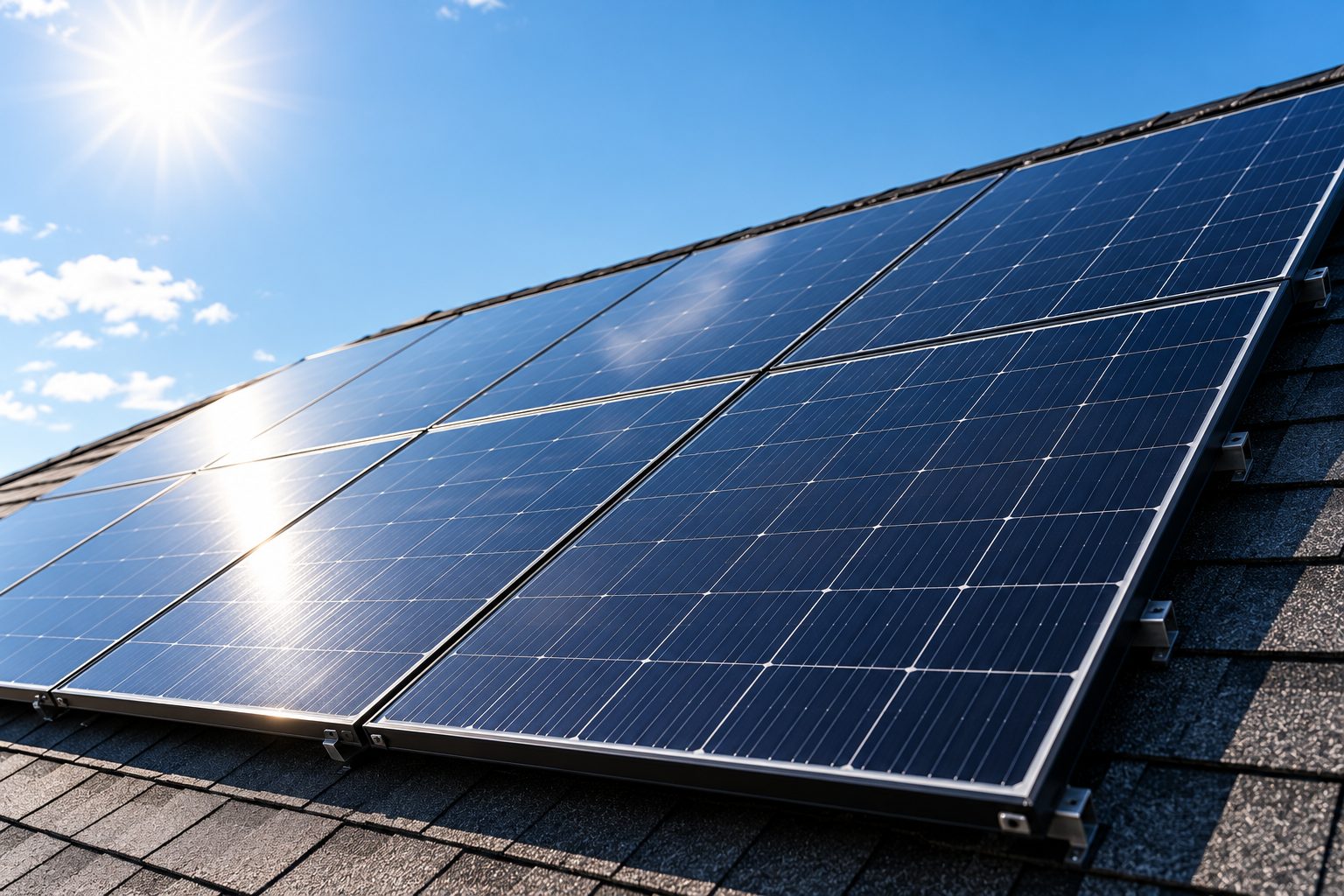
What it does
Power from your own roof.
Solar panels generate electricity whenever there is daylight. Your home uses it first, and any extra flows to the grid, where your utility may credit it.
Most home systems are grid-tied: they work alongside your utility connection rather than replacing it.
Benefits
Why homeowners go solar.
Make your own electricity
Covers part of your home’s use with power from your roof.
Credit for what you send back
Where net metering applies, extra production earns credits on your bill.
Battery-ready
Can be paired with a battery to store energy and keep running in an outage.
See what it produces
Monitoring shows how much your system generates.
How it works
From sunlight to your outlets.
Panels capture sunlight
Solar panels turn sunlight into direct current (DC) electricity.
The inverter converts it
An inverter turns it into the alternating current (AC) your home uses.
Your home uses it first
Power flows to your panel and supplies what is running.
Extra goes to the grid
Surplus goes to the grid, credited where your utility’s net metering allows.
In an outage, grid-tied solar shuts off for safety unless it is paired with a battery or backup-capable equipment.
Estimate
What could solar produce on your roof?
A rough yearly estimate using Natural Resources Canada’s solar data.
On your bills or your utility’s online account. Adds how much of your use solar could cover.
Adjust the assumptions
Default production is from Natural Resources Canada, Photovoltaic Potential and Solar Resource Maps of Canada, for a south-facing system at ideal tilt.
Rough estimate
- Estimated yearly production
- 9,288 kWh
- Estimated value a year at your rate
- $1,393
- Illustrative 10-year value
- $13,932
How this is worked out
- 8 kW × 1161 kWh per kW a year (a south-facing system at ideal tilt in your area) × 100% for roof direction × 100% for shading.
- Production is much higher in summer than in winter; this is a yearly total.
- Value assumes each kWh produced is worth your electricity rate of $0.15. How solar is credited depends on your utility’s net metering rules.
- Panel output declines slowly with age, and real results depend on the roof, equipment, snow and weather.
- This is a rough estimate, not a system design or a quote.
Equipment
Which inverter setup?
| Type | How it works | Good to know |
|---|---|---|
| String inverter | One central inverter for a group of panels | Simple and cost-effective; shading on one panel affects the string |
| Microinverters | A small inverter on each panel | Handles partial shade and different roof faces well; panel-level monitoring |
| Hybrid inverter | Manages solar and a battery together | Simplifies adding storage and backup |
Choosing
Is your roof a good fit?
Roof condition and age
Panels last decades, so an older roof may need replacing first.
Direction and shading
South-facing, unshaded roofs produce the most; east and west still work.
Structure
The roof must carry the panels and snow loads.
Electrical connection
Your panel’s capacity and how the system connects to it.
Utility approval
Your utility approves the connection and sets net metering terms.
Permits
Building and electrical permits, as required where you live.
Regulated electrical work is carried out by appropriately licensed professionals, with permits and inspections as required in your province.
More home energy solutions
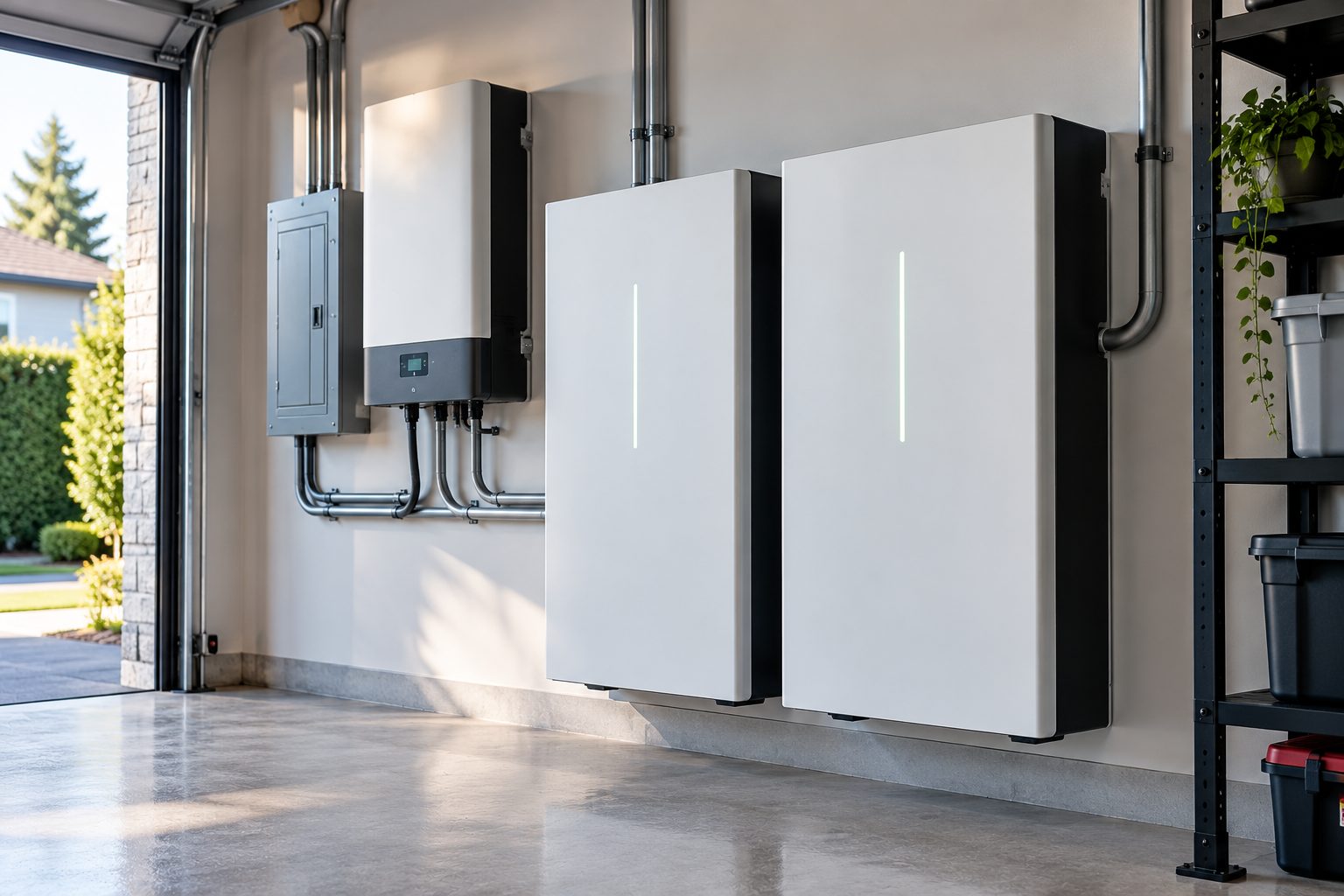
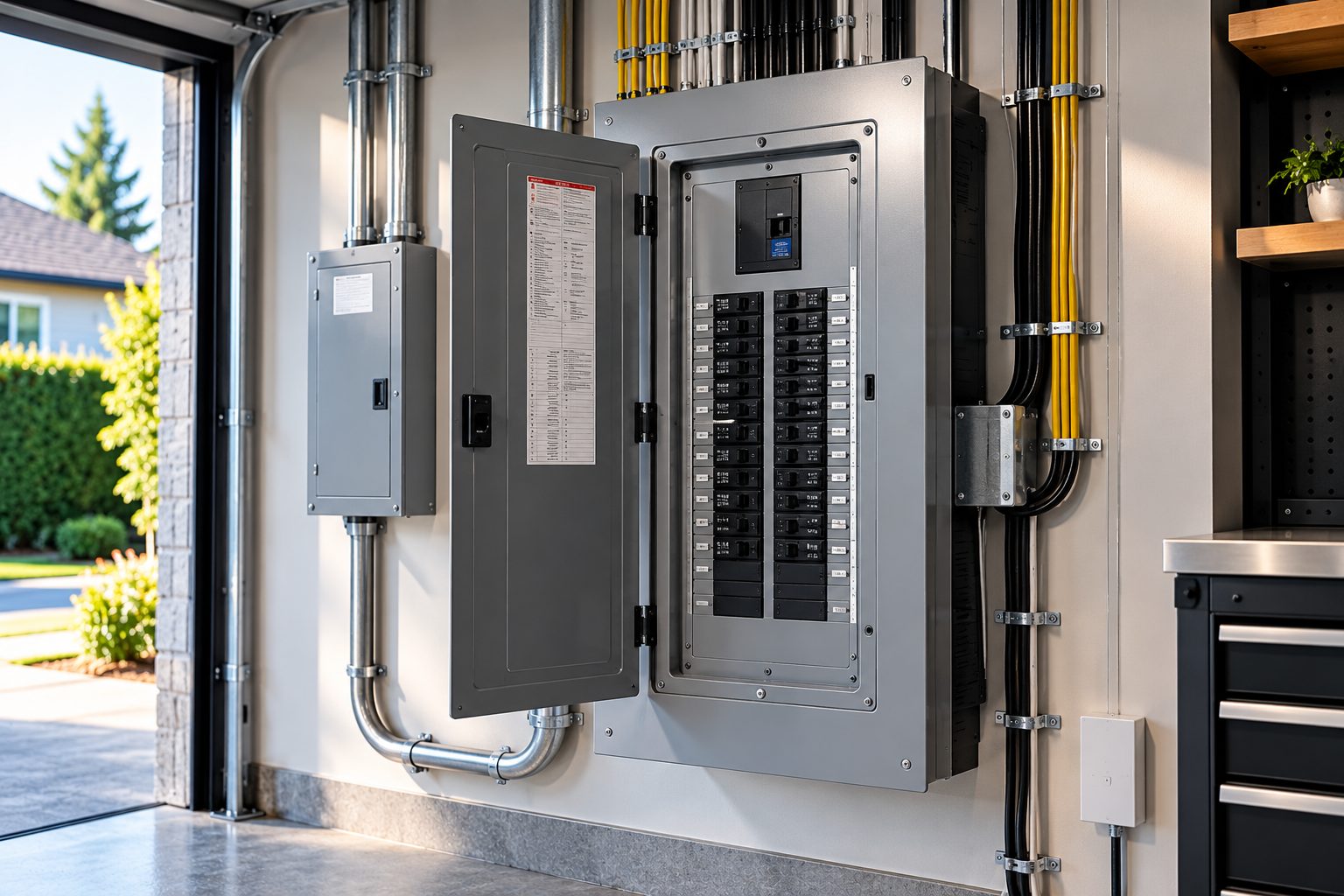
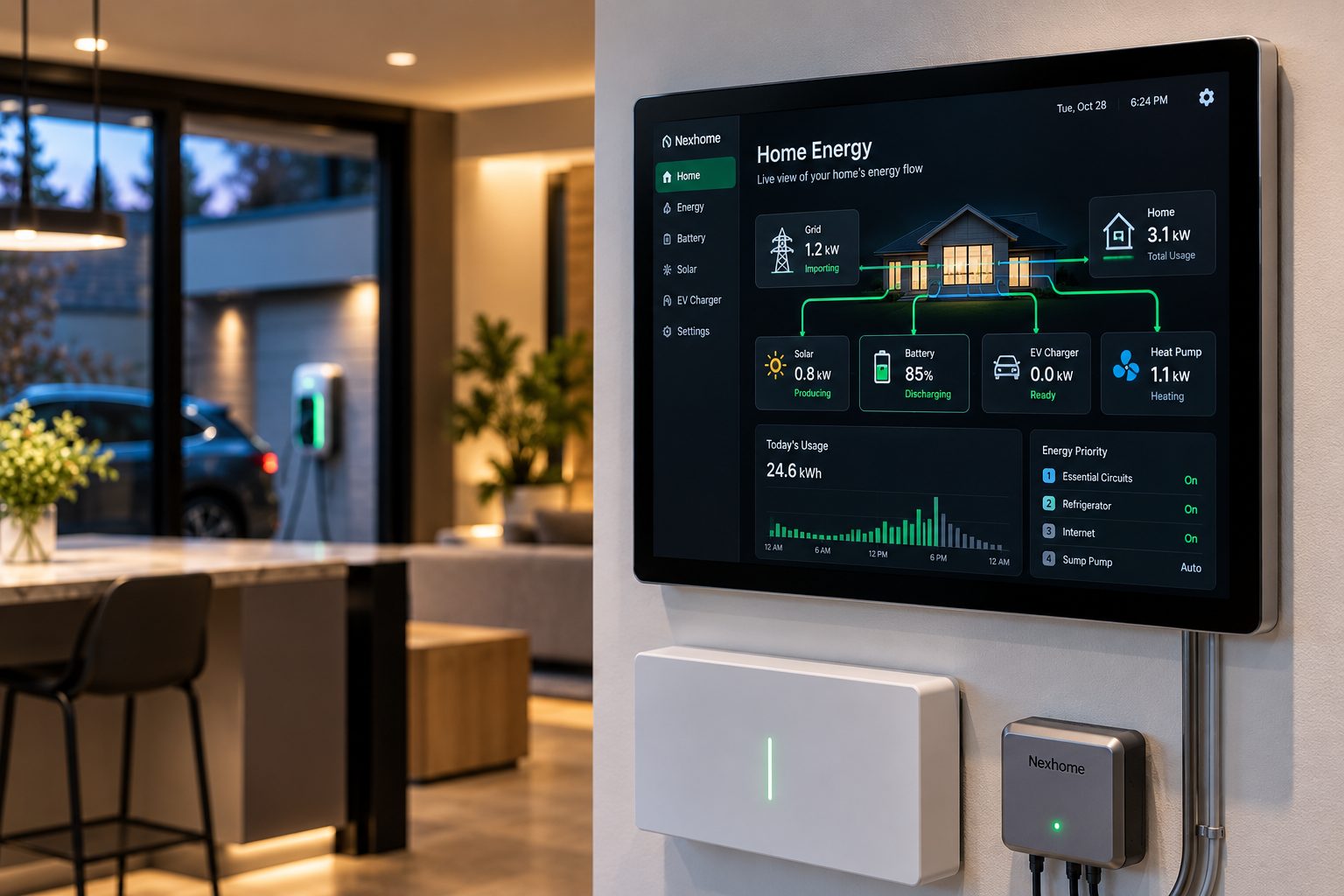
Explore other home energy solutions
Questions
Frequently asked questions
Does solar work in Canadian winters?
Yes, but it produces much less in winter, with shorter days, low sun and snow cover. Most production happens from spring to fall.
Does solar keep my power on during an outage?
Not on its own. Grid-tied solar shuts off in an outage for safety. Pairing it with a battery or backup-capable equipment designed for it lets you keep using it.
Do I need a battery?
No. Many systems connect to the grid without one. A battery adds backup and lets you store solar energy for later.
What is net metering?
An arrangement where your utility credits you for electricity you send to the grid. Rules vary by province and utility.
How much will it produce?
The estimator above gives a rough yearly figure; a proper design considers your exact roof, shading and equipment.
How long do solar panels last?
Panels commonly carry performance warranties of around 25 years, with output declining slowly over time. Inverters usually need replacing sooner.
Do panels need maintenance?
Very little. Occasional checks and keeping an eye on production are usually enough; snow generally slides or melts off.
Will panels damage my roof?
A proper installation uses flashed, sealed mounts. Roof condition is checked first.
Are there rebates for solar?
Some jurisdictions and utilities offer incentives with specific conditions. We only share rebate information once it is verified against the program itself.
Ready to see what solar could do for your home?
Tell us what you’re planning, and we’ll help you understand your options and what your home needs.