
Home Energy · EV charging
Charge at Home. Ready Every Morning.
A home Level 2 charger charges your electric vehicle much faster than a standard outlet, installed around your home’s electrical capacity.
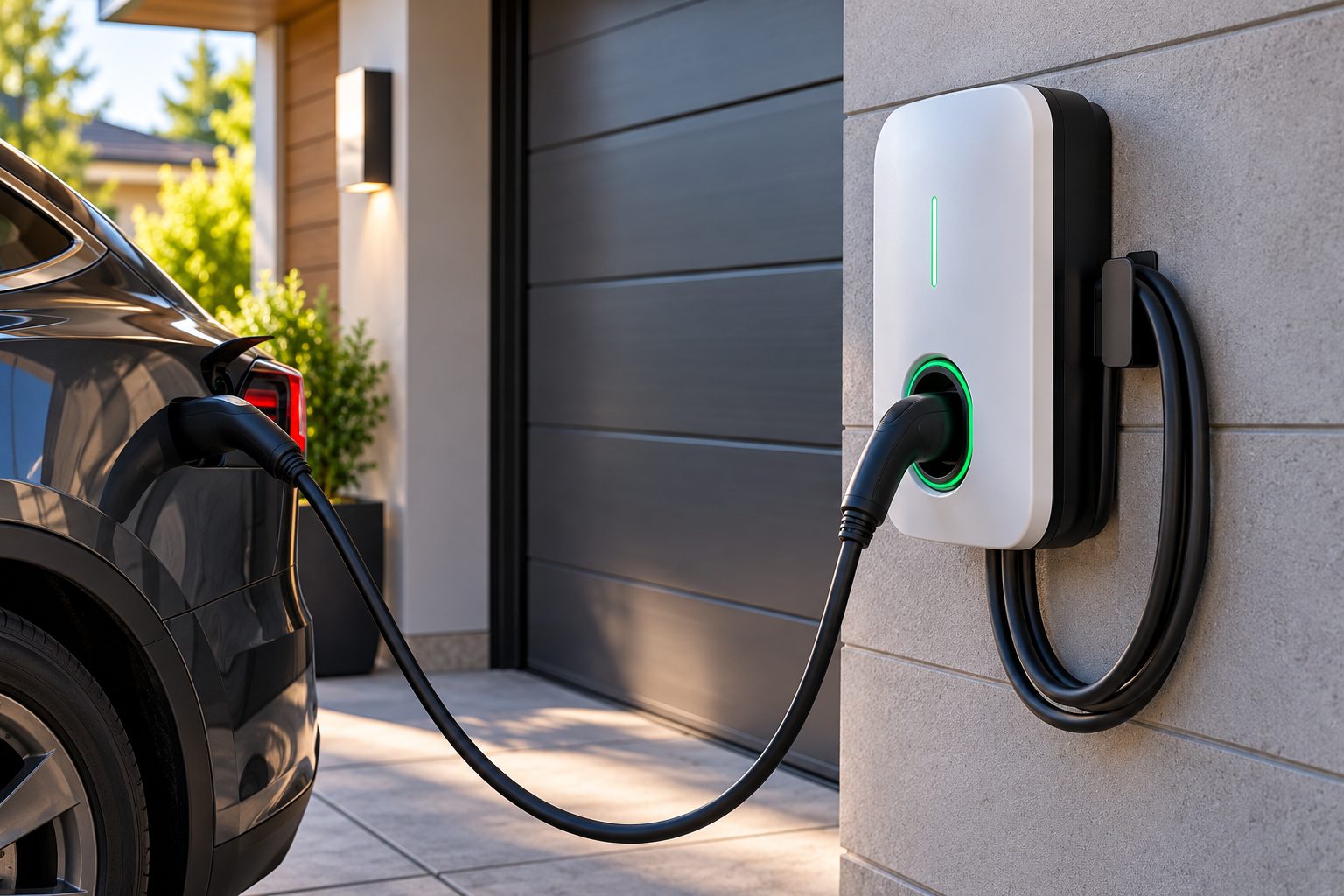
Benefits
Why charge at home.
Much faster than an outlet
A Level 2 charger can typically refill a day’s driving overnight with time to spare.
Ready every morning
Plug in when you get home; charge while you sleep.
Charge at cheaper times
Smart chargers can schedule charging for lower-cost hours, where your rates differ.
Planned around your panel
Load management can make room for a charger without overloading your home.
Compare
Level 1 or Level 2?
Actual charging speed depends on the charger, the circuit and the vehicle.
| Compare | Level 1 | Level 2 |
|---|---|---|
| Power | Standard 120-volt outlet | Dedicated 240-volt circuit |
| Charging speed | Slow; adds limited range per hour | Much faster; suits most daily driving overnight |
| Installation | Usually none | Electrical assessment, circuit and permit |
| Best for | Short commutes or plug-in hybrids | Most battery-electric vehicles |
How it works
From assessment to first charge.
Assess your panel
We check capacity and plan the circuit or load management.
Choose the location
Where you park, cable reach, and indoor or outdoor mounting.
Permit and install
A dedicated circuit and charger, installed by licensed professionals.
Set up smart charging
Connect the app and schedule charging where supported.
Choosing
What we look at.
Electrical capacity
The charger’s circuit has to fit within your panel’s capacity.
Load management
Devices allowed under the electrical code can share capacity and sometimes avoid a service upgrade.
Charger location
Close to where you park, with enough cable length.
Indoor or outdoor
Outdoor installations need a charger rated for the weather.
Connector
Most EVs use J1772 or the newer NACS (J3400) connector; adapters are available.
Smart features
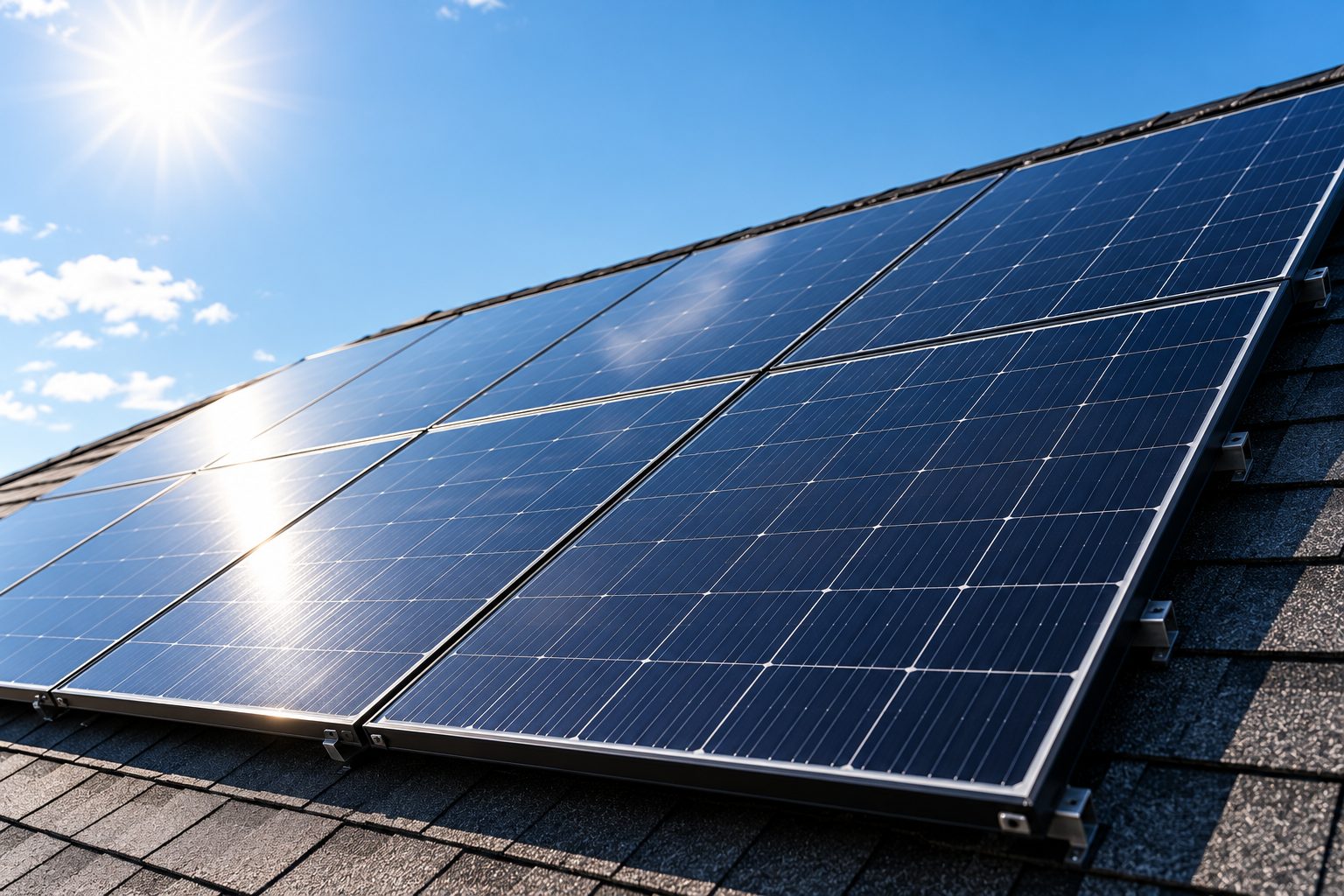
Scheduling, energy tracking and integration with solar or home energy systems.
Regulated electrical work is carried out by appropriately licensed professionals, with permits and inspections as required in your province.
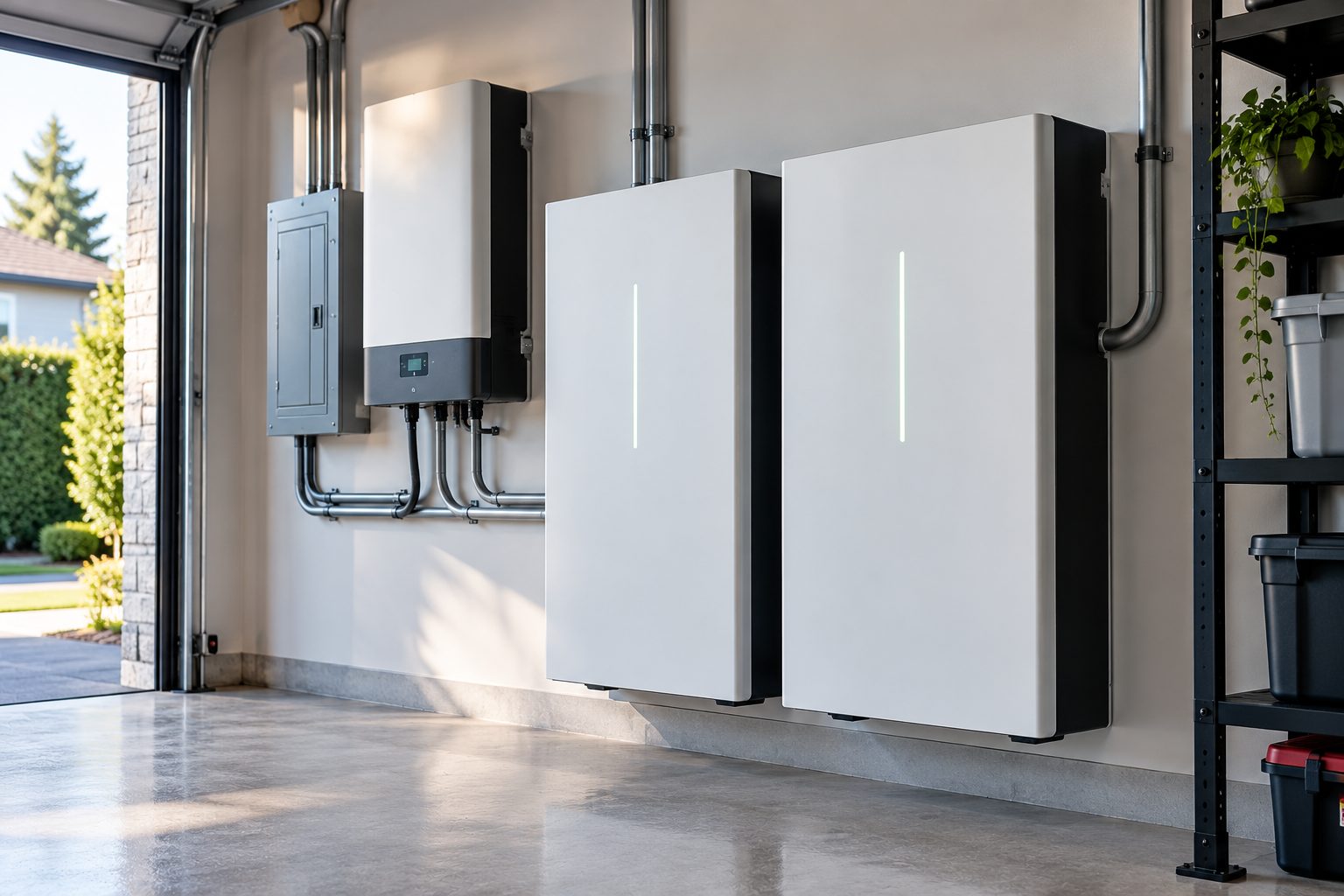
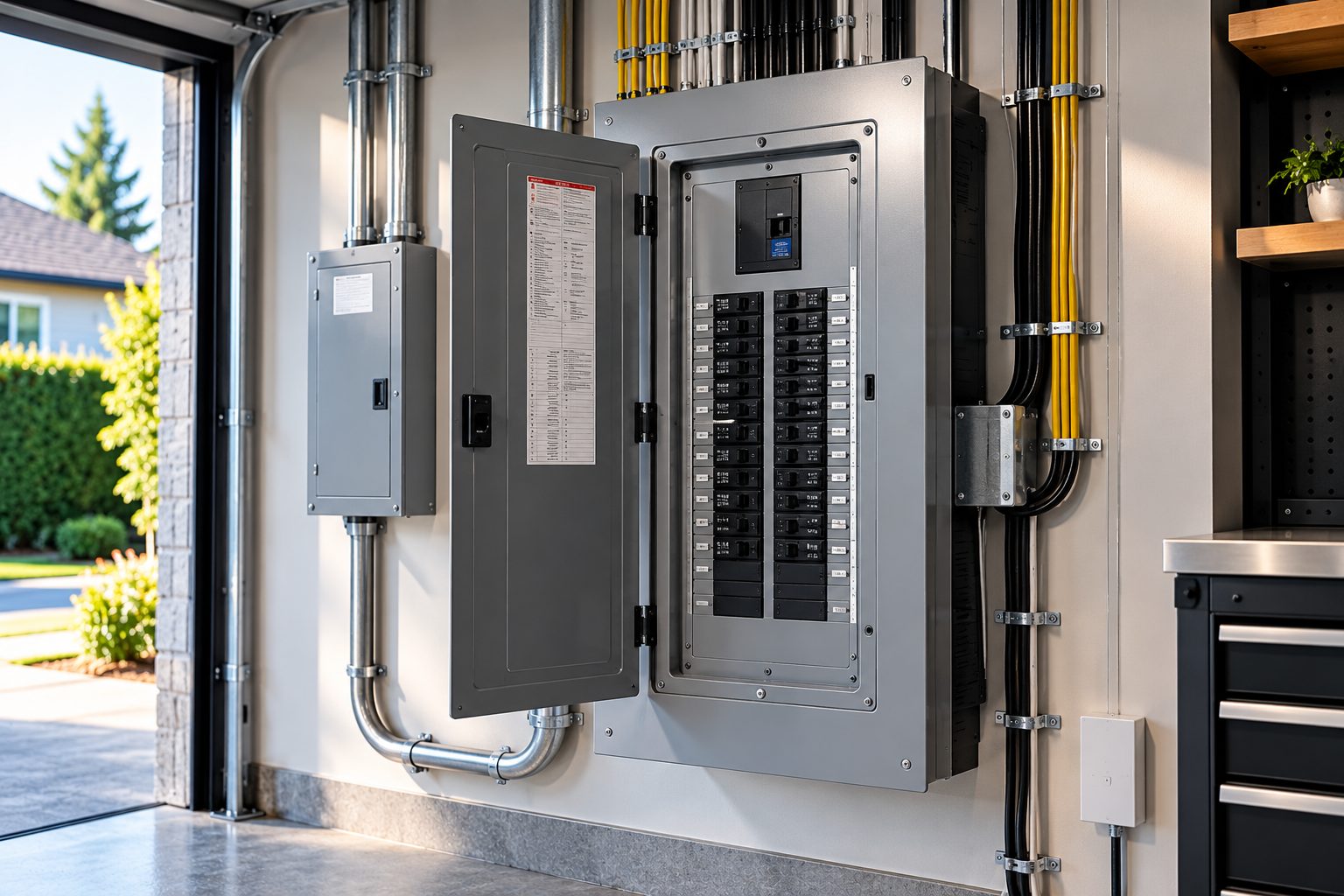
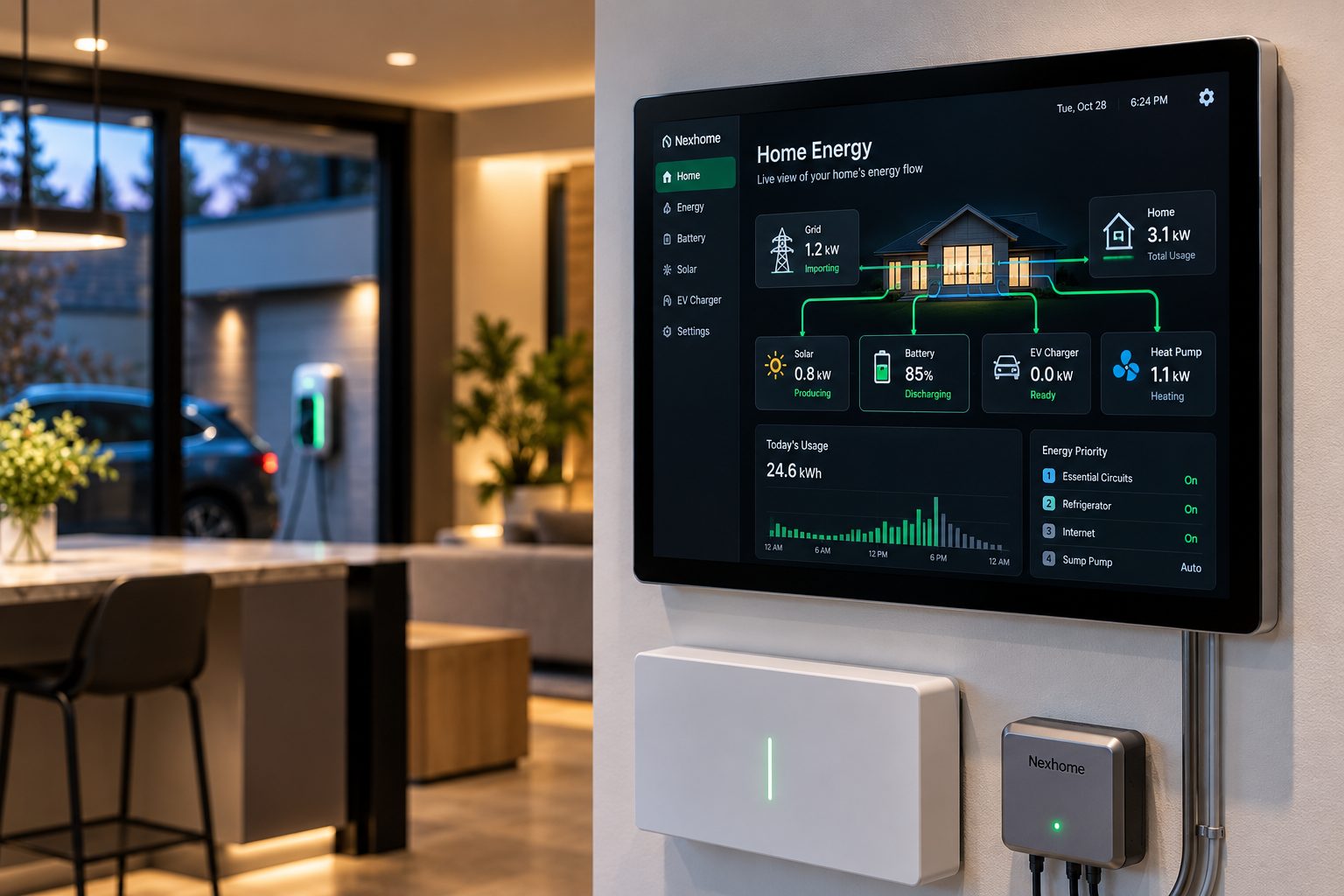
More home energy solutions
Explore other home energy solutions
Questions
Frequently asked questions
Do I need a Level 2 charger?
Not always. If you drive short distances, a standard outlet may be enough. Most battery-electric vehicle owners find Level 2 far more practical.
What does my home need for a Level 2 charger?
Usually a dedicated 240-volt circuit sized for the charger, and enough panel capacity for it. An assessment confirms what your home needs.
Will I need a panel upgrade?
Not necessarily. A load calculation shows whether you have room, and load management can often help where capacity is tight.
Can I install a charger outdoors?
Yes, with a charger rated for outdoor use and proper mounting and wiring.
Will any charger work with my car?
Most chargers work with most EVs, sometimes using an adapter between J1772 and NACS (J3400) connectors. We confirm compatibility for your vehicle.
Can I charge with solar?
Yes. Solar can supply some of your charging energy, and some chargers can prioritize charging when your panels are producing.
Does charging keep working in an outage?
Only if your backup system is designed for it. EV charging is a large load and is usually left off battery backup.
Are there rebates for EV chargers?
Some utilities and jurisdictions offer incentives with specific conditions. We only share rebate information once it is verified against the program itself.
Ready to charge at home?
Tell us what you’re planning, and we’ll help you understand your options and what your home needs.