
Indoor Air Quality · Air filtration
Cleaner Air Starts With Better Filtration.
Your heating and cooling system already moves air through the whole home. Better filtration at the system captures more of the airborne particles it circulates.
What it does
Filtering the air your system already moves.
As air circulates through your furnace or air handler, it passes through a filter that captures selected airborne particles, such as dust and pollen. Better filters capture more of the fine particles.
Benefits
Why upgrade your filtration.
Captures selected particles
Better filters capture more of the dust, pollen and fine particles that pass through your system.
Centralized filtration
Treats the air your HVAC system circulates through the whole home.
Convenient maintenance
Thicker media filters are often changed less frequently than standard 1-inch filters.
Part of a broader strategy
Works alongside source control and ventilation for better indoor air.
How it works
How whole-home filtration works.
Air returns to the system
Return ducts draw air from the rooms back to the furnace or air handler.
It passes through the filter
Particles are caught in the filter media.
Cleaner air circulates
Filtered air goes back out to every room.
Repeat while the fan runs
Filtration only happens when air is moving, so fan run time matters.
Compare
Standard, media, HEPA or bypass HEPA?
MERV and HEPA are separate standards with different tests. A MERV number cannot be converted to HEPA.
| Option | Rating | What it does | Fit |
|---|---|---|---|
| Standard 1-inch filter | Basic, low MERV | Mainly protects the equipment; captures larger dust | Fits most systems |
| High-efficiency media filter | Often MERV 11–16 | Captures more fine particles; thicker media keeps airflow easier | Usually needs a media cabinet added at the furnace |
| HEPA system | HEPA standard (not a MERV rating) | Very high capture of fine particles | Too restrictive for most furnaces as the main filter |
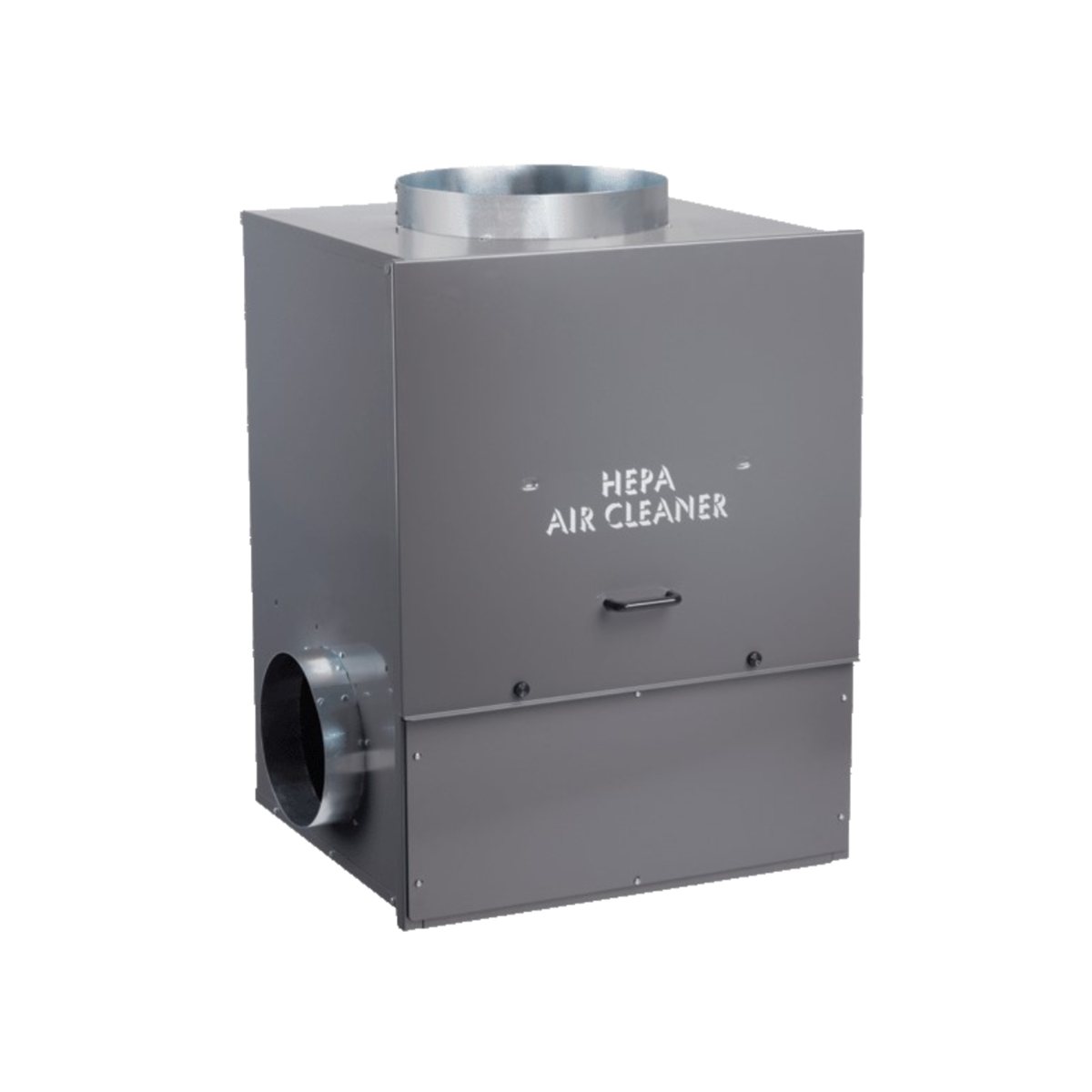
| Bypass HEPA | HEPA, on part of the airflow | Treats a portion of the air with its own fan | Connects alongside the system without restricting it |
Compatibility
Will it work with my system?
A filter only helps if your system can still move enough air through it.
Airflow
The system must still move enough air for heating and cooling to work properly.
Static pressure
Denser filters add resistance; too much strains the blower and can reduce performance.
Filter size
A larger or thicker filter captures more with less resistance.
Ductwork
Return duct size and condition affect what can be added.
Blower capability
Variable-speed blowers often handle better filters more easily.
Limits
What particle filtration can and can’t do.
Designed to capture
- Dust
- Pollen
- Pet dander
- Selected fine particles, depending on the filter
Not automatically addressed
- Gases and most odours
- Carbon monoxide (use CO alarms)
- Every biological hazard
- Pollutants from sources that keep producing them
During wildfire smoke, Health Canada suggests using a MERV 13 or higher filter if your system can handle it.
More air quality solutions
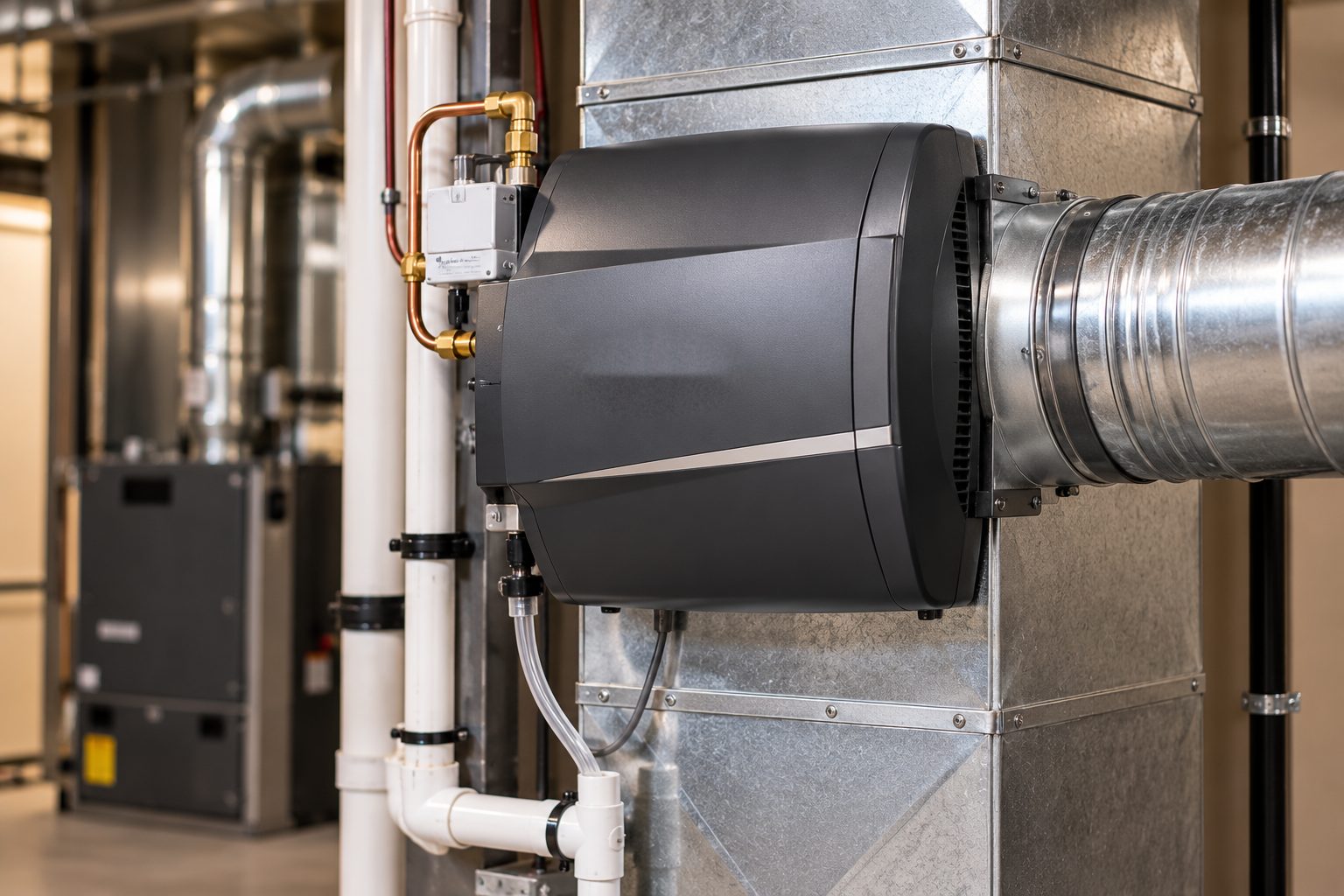
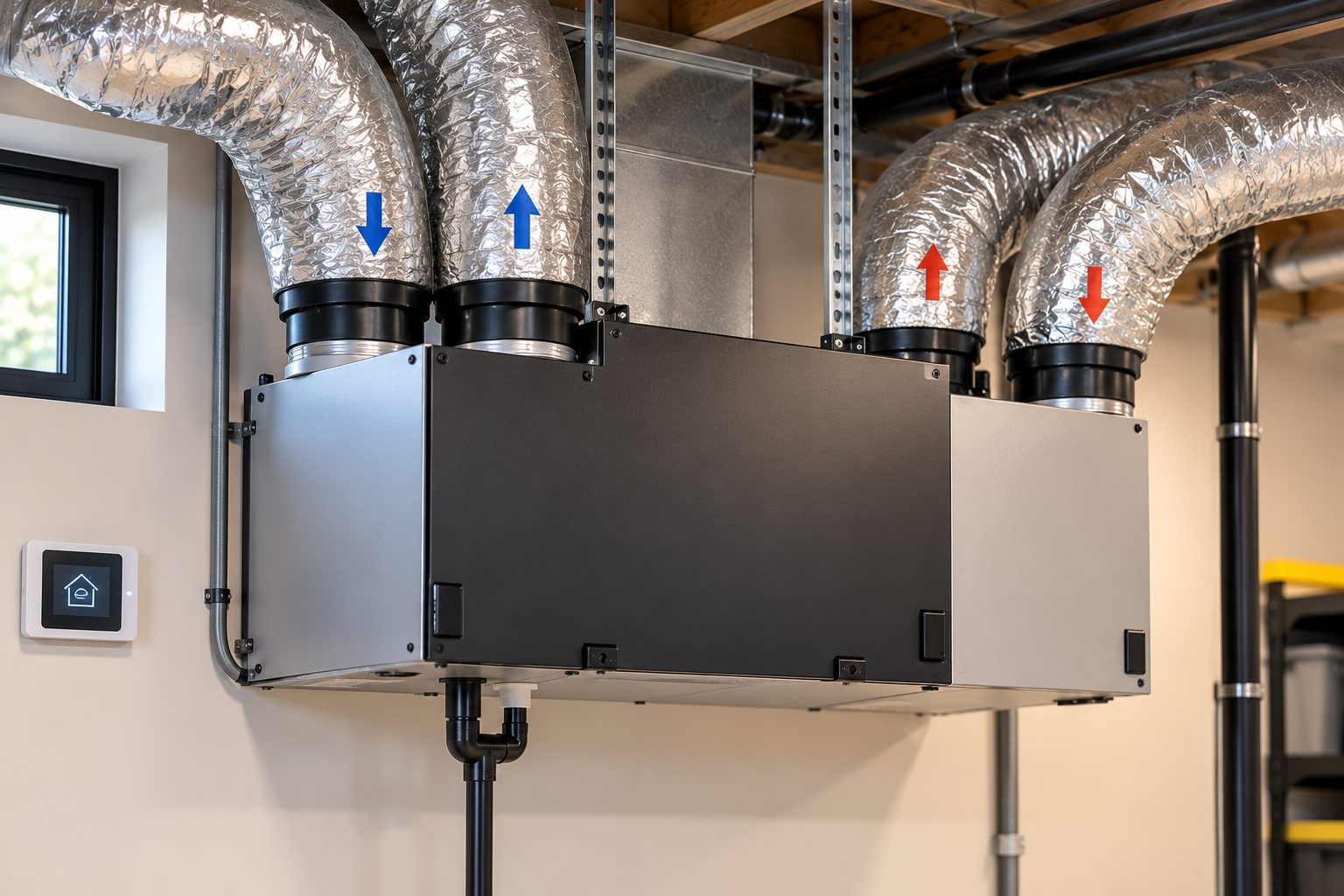
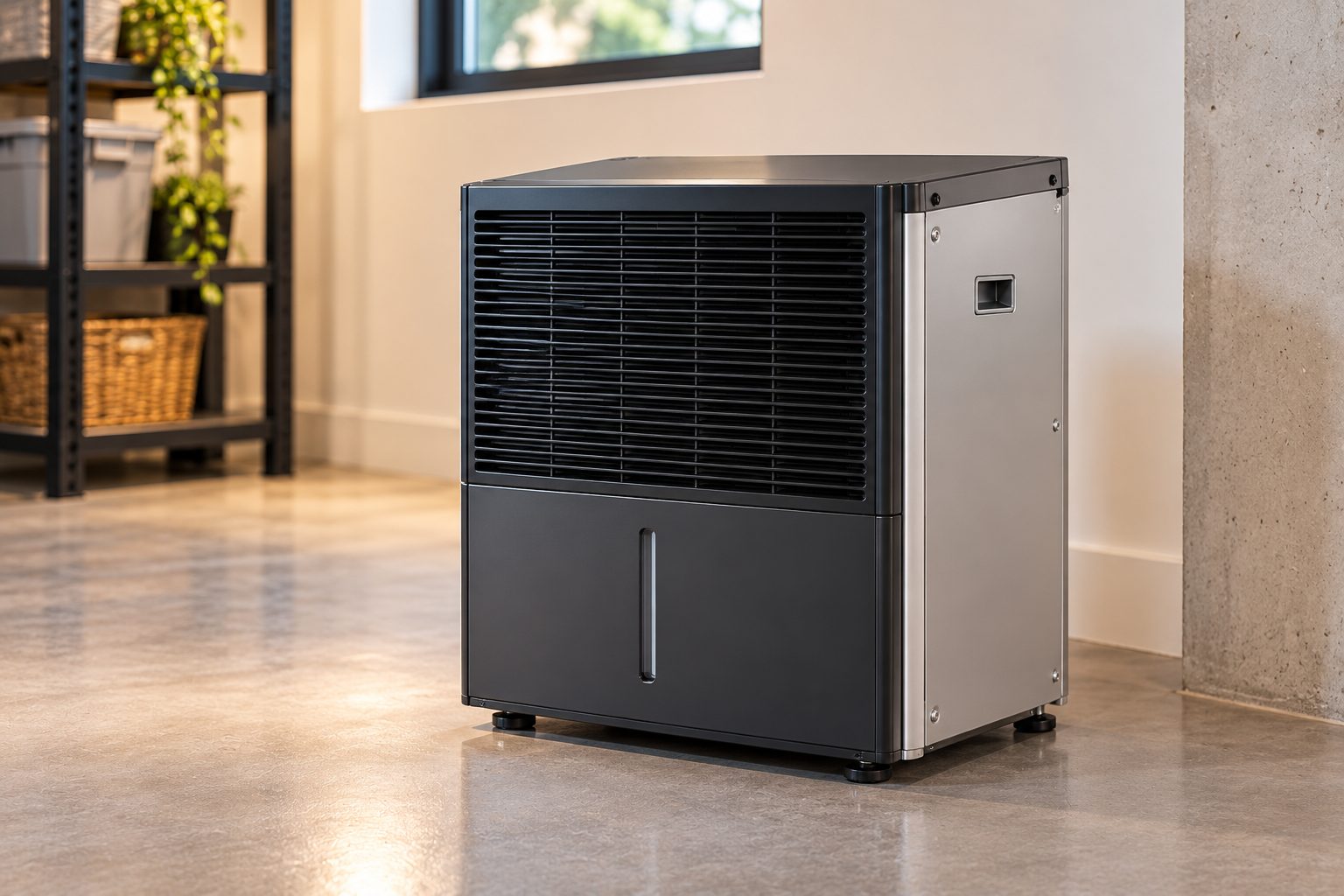
Explore other air quality solutions
Questions
Frequently asked questions
What is MERV?
Minimum Efficiency Reporting Value, a 1–16 rating from a standard test of how well a filter captures particles of different sizes. Higher numbers capture more fine particles; a MERV 13 filter, for example, captures at least half of the finest test particles.
What is HEPA?
A high-efficiency standard: a true HEPA filter captures at least 99.97% of particles 0.3 microns in size. It is tested differently from MERV, so the two are not on the same scale.
Is HEPA better than MERV 13?
HEPA captures more fine particles, but it restricts airflow much more. For many homes, a well-fitted MERV 13 media filter or a bypass HEPA unit is the practical choice.
Can HEPA go in my furnace?
Usually not as the main filter, because it restricts airflow too much. A bypass HEPA unit with its own fan is the common way to add HEPA filtration.
Will it reduce dust?
Better filtration captures more of the dust circulating through the system, but dust also comes from surfaces and daily activity, so regular cleaning still matters.
Will it remove odours?
Particle filters do not remove most odours or gases. Some filters add activated carbon for certain odours; source control and ventilation are the main tools.
How often should filters be replaced?
It depends on the filter, your home and how much the fan runs. Standard 1-inch filters are often changed every few months; thicker media filters usually last longer. We set the schedule for your system.
Can a better filter restrict airflow?
Yes. A filter too dense for the system raises static pressure and can reduce heating and cooling performance. That is why compatibility is checked first.
How is filtration different from ventilation?
Filtration cleans the air already in the home. Ventilation replaces stale indoor air with outdoor air. Most homes benefit from both.
Ready for cleaner-feeling air?
Tell us what you’re noticing at home, and we’ll help you explore the solutions that fit.