
Indoor Air Quality · HRV & ERV
Fresh Air In. Stale Air Out.
Mechanical ventilation gives your home a controlled exchange of outdoor air, recovering heat along the way, so you can ventilate without opening windows.
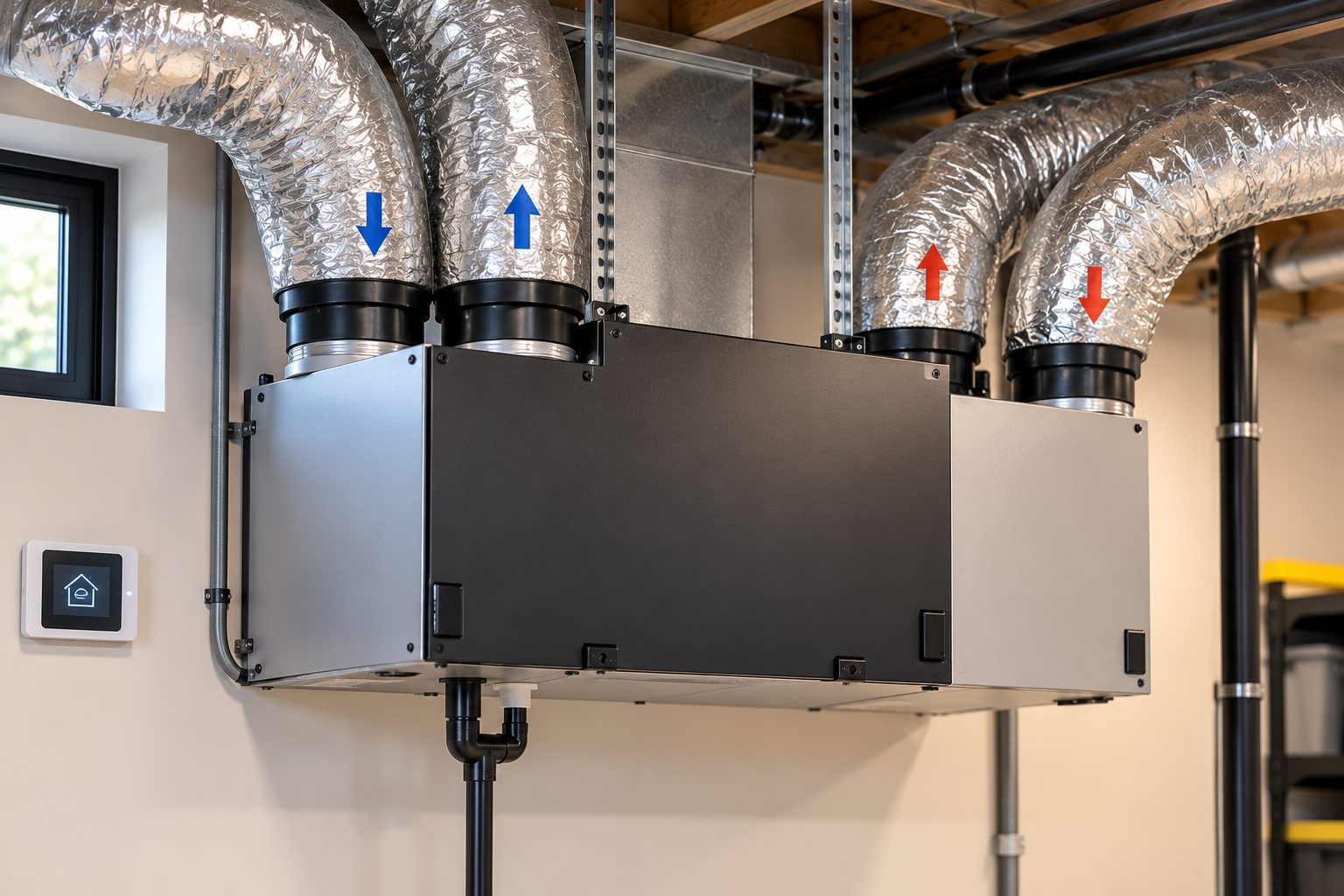
What it does
Planned fresh air for a tight home.
Modern homes are built tight to save energy, which also means less fresh air leaks in. A ventilator exchanges stale indoor air for outdoor air in a controlled way.
An HRV transfers heat between the outgoing and incoming air. An ERV transfers heat and, depending on design, some moisture.
Benefits
Why ventilate mechanically.
Controlled fresh-air ventilation
A steady, planned supply of outdoor air.
Dilutes selected indoor pollutants
Helps lower everyday indoor pollutants and stale odours by exchanging the air.
Heat recovery
Recovers much of the heat from outgoing air, so fresh air arrives tempered.
Ventilation without open windows
Fresh air all year, including in winter.
How it works
How the air moves.
- A fan draws fresh outdoor air in through an intake hood.
- Another fan draws stale air from kitchens, bathrooms or the return duct.
- Both pass through the core in separate channels, without mixing.
- Heat moves from the warmer stream to the cooler one. An ERV core can also move some moisture.
- Tempered fresh air goes to your rooms, and stale air is exhausted outside.
Compare
HRV or ERV?
The right choice depends on your home’s moisture, climate and how it is used.
| Compare | HRV | ERV |
|---|---|---|
| What it transfers | Heat between the two air streams | Heat, and depending on design, some moisture |
| Winter | Removes indoor moisture as it ventilates, useful where winter humidity runs high | Retains some indoor moisture, useful where winter air gets too dry |
| Summer | Brings in outdoor humidity with the fresh air | Can limit some of the outdoor humidity coming in |
| Installation | Ducts, outdoor intake and exhaust, plus a condensate drain | Similar ducting; often no condensate drain needed |
| Maintenance | Clean filters and core; keep the drain clear | Clean filters; core care per manufacturer |
| Often suits | Many Canadian homes, especially tight ones with winter condensation | Homes that are dry in winter or humid in summer |
Installation
What installation involves.
Ducting
Either fully dedicated ducts, or a simplified connection to the furnace ductwork.
Balancing
Supply and exhaust airflow are measured and set to match, so the home is not pressurized or depressurized.
Outdoor intake
Placed away from exhausts, vehicles and other sources of pollution.
Exhaust
Separated from the intake so stale air is not drawn back in.
Defrost
Prevents the core from icing in very cold weather.
Condensate
HRVs usually need a drain line.
Maintenance
Regular filter cleaning, periodic core cleaning, and keeping the outdoor hoods clear of snow and debris.
More air quality solutions
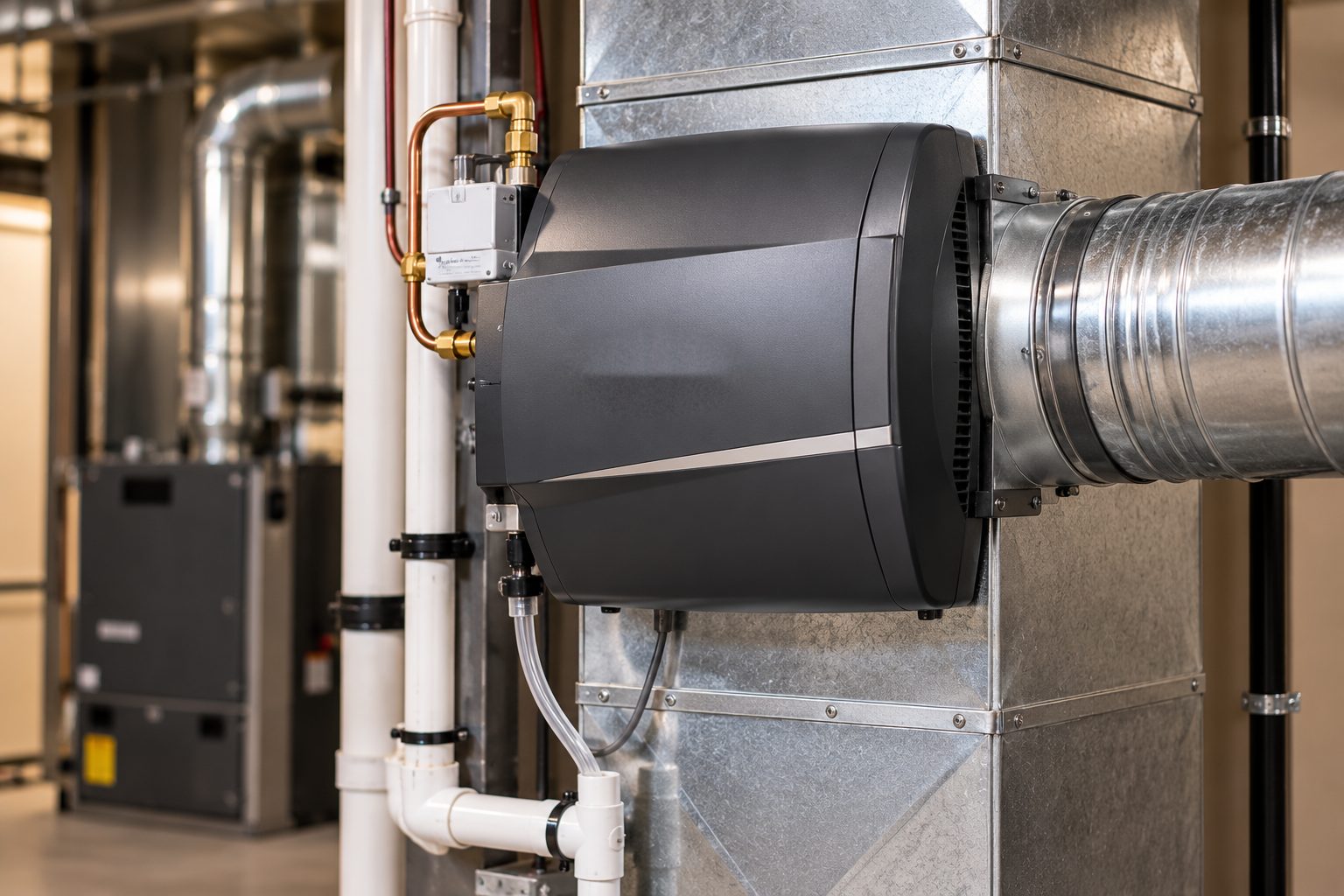
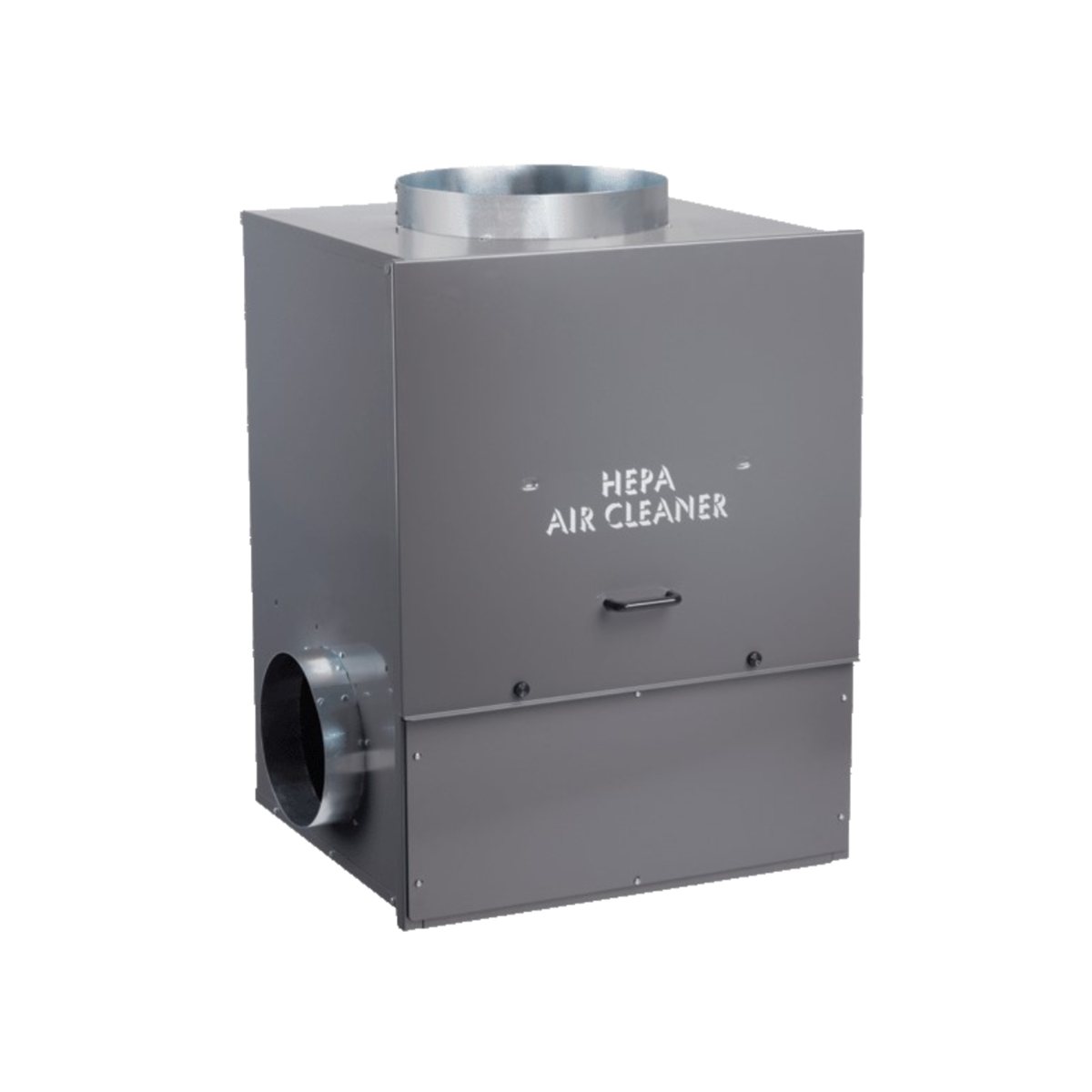
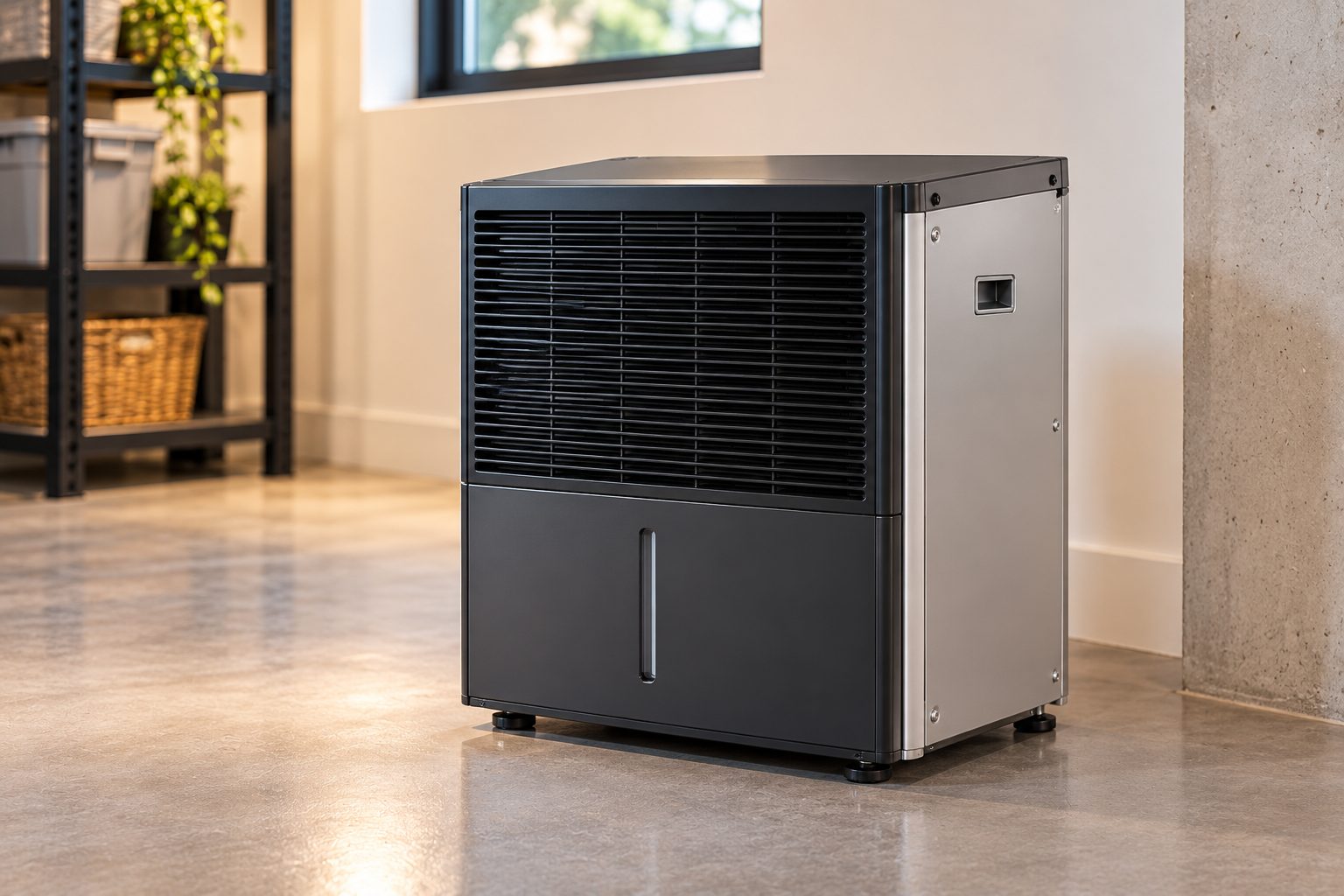
Explore other air quality solutions
Questions
Frequently asked questions
What is an HRV?
A heat recovery ventilator. It exhausts stale indoor air and brings in fresh outdoor air, passing both through a core that transfers heat between them.
What is an ERV?
An energy recovery ventilator. It works like an HRV, but its core can also transfer some moisture between the air streams.
What is the difference?
Both recover heat. An ERV also moves some moisture, which helps keep winter air from getting too dry and limits summer humidity coming in. An HRV removes more moisture in winter.
Do I need one if I have a furnace?
A furnace recirculates and heats indoor air; it does not bring in fresh air. Tight, energy-efficient homes in particular need planned ventilation, and many newer homes are built with an HRV or ERV.
Does it bring in outdoor air?
Yes, continuously or on a schedule. It filters the incoming air with basic filters, but it is not designed to clean outdoor pollution. During wildfire smoke, it may be best to turn it down or off.
Does it affect humidity?
Yes. An HRV generally lowers winter humidity; an ERV retains some of it. That is a key part of choosing between them.
Should it run year-round?
Usually, yes, with settings adjusted for the season and how the home is used.
Does it need ductwork?
Yes. Either its own ducts or a connection to your furnace ductwork, depending on the home and the installation.
How is it cleaned?
Clean or replace the filters regularly, clean the core as the manufacturer recommends, check the condensate drain, and keep outdoor hoods clear.
Can it replace filtration?
No. Ventilation exchanges air; filtration captures particles. Most homes benefit from both.
Ready for fresher air at home?
Tell us what you’re noticing at home, and we’ll help you explore the solutions that fit.